

Blog
The Trade Show Jewelry Sourcing Playbook: How B2B Fashion Jewelry Buyers Can Build the Most Systematic Post-Fair Follow-Up Pipeline Around Canton Fair, Vicenzaoro, and the In-Person Trade Show Inventory Qualification Process That Generates the Highest-Quality Supplier Relationships

Trade shows remain the highest-concentration supplier discovery channel in fashion jewelry wholesale—Canton Fair alone hosts over 10,000 jewelry-related suppliers across its phases, while Vicenzaoro, Hong Kong International Jewellery Show, and Tucson Gem & Mineral Show create annual opportunities to qualify suppliers face-to-face, examine product quality directly, and establish relationships that no digital sourcing channel can replicate. Yet the commercial return from trade show attendance is determined less by the quality of suppliers found at the show—and more by the systematic follow-up pipeline that converts show connections into verified, sampled, and contracted suppliers. B2B buyers who attend trade shows without systematic follow-up protocols capture a fraction of the supplier discovery value that their attendance generates.
The Pre-Show Intelligence Gathering Protocol
Effective trade show sourcing begins before the exhibition opens:
- Exhibitor List Analysis: Download and analyze the official exhibitor list 4-6 weeks before the show. Identify suppliers matching your target categories (pearl jewelry, sterling silver, fashion jewelry), filter by booth location (premium hall placement indicates investment level), and prioritize based on product novelty indicators (new product launches, design awards, patent filings).
- Supplier Background Research: Before approaching any booth, conduct basic background verification: export license status, production capacity documentation, quality management certification (ISO 9001, BSCI, Sedex), and any available third-party audit reports. Walking the show floor with pre-researched supplier profiles focuses your time on high-potential targets.
- Sample Request Threshold Definition: Define your sample request criteria before attending: which supplier characteristics trigger a sample request, maximum sample budget per category, and sample-to-order conversion timeline expectations. Without pre-defined criteria, buyers default to collecting samples from every attractive booth—generating sample piles that never convert to orders.
- Booth Route Planning: Map your priority exhibitors on the floor plan and plan an efficient walking route that minimizes backtracking. For large shows (Canton Fair’s 1.1M square meters), targeting specific halls per day prevents exhaustion-driven qualification failures on day two.
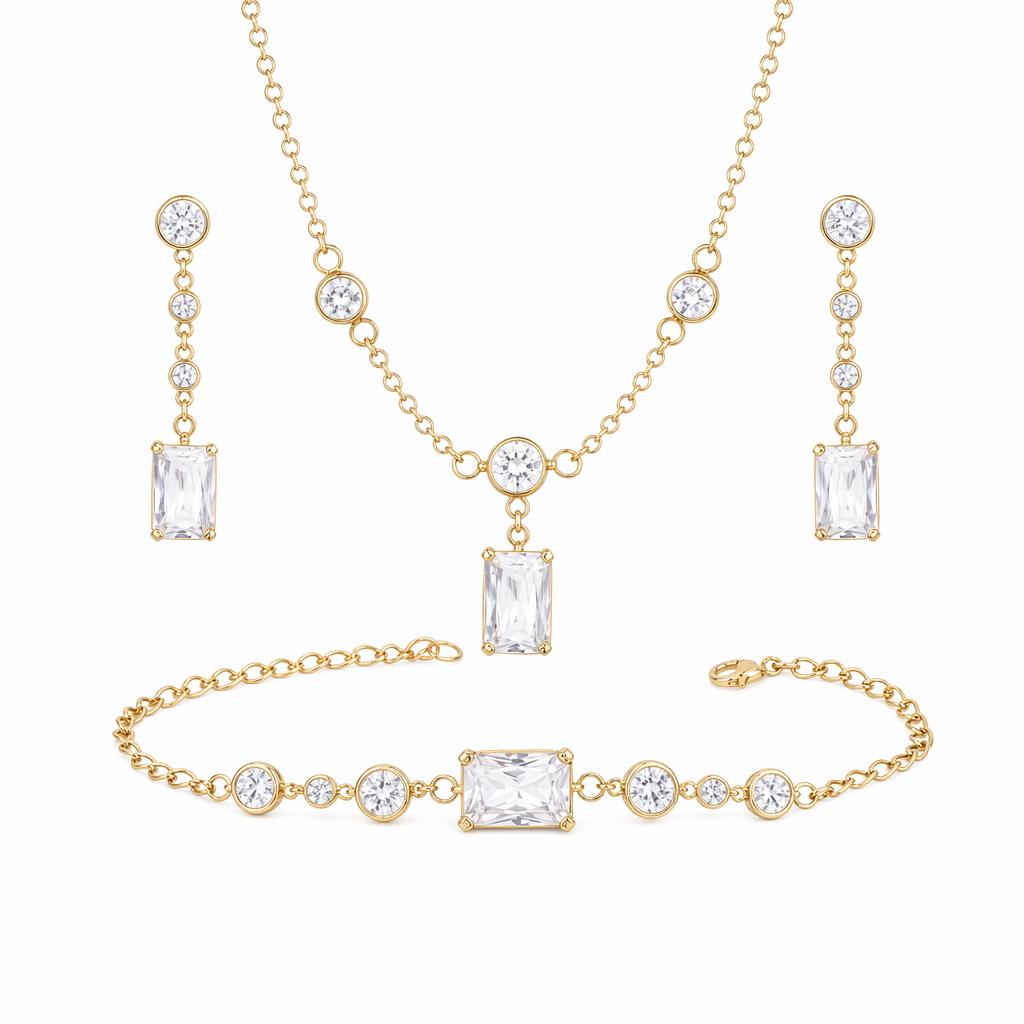
Fuduola Jewelry’s Aesthetic Shimmer Pearl Pendant Necklace—Light Luxury Niche Design Y2K Choker Social Media Viral Clavicle Chain—exemplifies the category of product that captures trade show buyer attention: the distinctive Y2K aesthetic signals a design-forward supplier with trend-sensing capability, the shimmer finish indicates quality surface treatment capability, and the social media viral positioning demonstrates supplier awareness of the end-consumer market. B2B buyers sourcing at trade shows should prioritize suppliers whose products demonstrate market-facing awareness alongside manufacturing capability.
The On-Site Supplier Qualification Framework
Trade show booth conversations require specific qualification disciplines:
- Design Capability Assessment: Ask specifically about in-house design team size, new product development cycle time, and the ratio ofODM to OEM business. Suppliers with 50+ in-house designers (like Fuduola’s 130+ designer capacity) offer different capability than those operating purely from catalogue replication.
- Minimum Order Quantity Verification: Confirm MOQ structures at the booth—many suppliers offer different MOQ tiers for different customization levels. A supplier that appears too expensive at catalogue MOQ may offer competitive pricing at a higher-volume tier.
- Export Documentation Capability: Verify the supplier’s experience with your target export market’s documentation requirements. EU market requires REACH compliance documentation; US market requires FDA compliance for certain jewelry types; Middle East markets require halal certification for specific product categories.
- Sample Quality vs. Bulk Quality Correlation: Request production-line samples (not showroom samples) when possible. Showroom samples are often hand-crafted or specially prepared; production-line samples reveal the quality your actual order will receive.
The Post-Show Follow-Up Pipeline
The trade show qualification pipeline failure point is almost always post-show follow-up:
- 48-Hour Contact Rule: Send follow-up emails within 48 hours of the show closing while your conversation details are fresh in the supplier’s memory. Include specific product interest (with photos from their booth), requested sample specifications, and your target order timeline.
- Sample Tracking System: Establish a sample tracking system that monitors sample request, sample shipment, sample receipt, sample quality evaluation, and sample-to-order conversion. Most B2B buyers lose 40-60% of trade show samples to internal tracking failures.
- Trade Show Pricing Lock: Negotiate trade show pricing validity periods (typically 30-90 days post-show) before leaving the booth. Trade show pricing is often 10-20% below standard pricing—ensuring you can actually capture that pricing after the show requires explicit agreement before departure.
- Fair-Write vs. Fair-Buy Decision Framework: Evaluate each supplier contact against pre-defined criteria within 2 weeks of the show. Suppliers that don’t meet minimum criteria should be declined professionally rather than maintained in limbo indefinitely.
Conclusion: Trade Shows Are Pipeline Events, Not Sourcing Events
B2B fashion jewelry buyers who recognize that trade shows generate supplier discovery value through a pipeline process—pre-show research, on-site qualification, post-show follow-up, and sample-to-order conversion—rather than through the show itself, build systematic trade show ROI that compounds across multiple show cycles. The buyers who attend trade shows without post-show follow-up pipelines are paying for supplier introductions they never convert.
Connect with Fuduola Jewelry’s trade show team at your next exhibition for in-person supplier qualification conversations, or begin your digital sourcing qualification process at www.imfuduola.com.