
Blog
The Fashion Jewelry Metal Materials Handbook: How B2B Wholesale Buyers Can Navigate Gold-Plated, Rose Gold, and Brass Alloy Specifications

The metal material category is the foundational quality determinant in fashion jewelry—and for B2B wholesale buyers, understanding the difference between gold-plated, rose gold-filled, and brass alloy specifications is essential to sourcing products that meet the price-point and durability requirements of diverse retail channels.
Understanding Fashion Jewelry Metal Specifications
The fashion jewelry market uses a diverse range of metal materials, each with distinct cost, quality, and performance characteristics:
Gold-plated metals: Gold plating applies a thin layer of gold over a base metal (typically brass or sterling silver) through electrochemical deposition. The quality of gold-plated jewelry depends on the thickness of the gold layer (measured in microns) and the purity of the gold used (measured in karats). Standard fashion jewelry typically uses 14K or 18K gold plating with layer thicknesses ranging from 0.5 to 3 microns.
Rose gold plating: Rose gold achieves its distinctive pink color by alloying gold with copper. The rose gold tone ranges from subtle pink (lower copper content) to deep rose (higher copper content). Quality considerations for rose gold plating include the consistency of the rose tone across the piece and the resistance of the color to fading with wear.
Brass alloys: Brass (copper-zinc alloy) provides an affordable and durable base metal for fashion jewelry. Quality varies significantly based on the specific alloy composition—some brass formulations are more resistant to tarnishing and skin greening than others. Lead-free brass is increasingly required by regulation in major markets.
The Gold Filled and Gold Vermeil Alternative
Above standard gold plating, premium fashion jewelry categories offer better durability at accessible price points:
Gold filled: Gold filled jewelry uses a layer of gold alloy (typically 12K or 14K) mechanically bonded to a base metal core, with the gold layer constituting at least 5% of the total weight of the piece. This is substantially more gold than gold-plated items, resulting in significantly better durability and tarnish resistance.
Gold vermeil: Vermeil (pronounced ver-may) uses sterling silver as the base metal with a layer of gold plating on top. The sterling silver core provides a higher-quality foundation than brass, and the gold layer is typically thicker than standard gold plating. Vermeil represents a premium category in fashion jewelry—higher quality than gold plating but more affordable than solid gold.
Hypoallergenic Considerations for Fashion Jewelry
Metal allergies represent one of the most significant quality concerns in fashion jewelry—and B2B buyers should understand the hypoallergenic specifications:
Nickel allergy prevalence: Nickel is one of the most common causes of contact allergy worldwide. Many people with nickel sensitivity experience skin reactions (rash, itching, discoloration) when wearing nickel-containing jewelry. Regulations in the EU and other markets restrict nickel release from jewelry products.
Nickel-free specifications: Nickel-free fashion jewelry uses alternative alloys that don’t contain nickel. Common alternatives include stainless steel, titanium, and specific brass formulations. For B2B buyers serving markets with strict nickel regulations, verifying nickel-free certification is essential.
Sterling silver as hypoallergenic baseline: Pure sterling silver (925 silver) is generally hypoallergenic, making sterling silver findings and components a safe choice for sensitive-skin customers.
Sourcing Strategy for Metal Quality
B2B buyers evaluating metal quality in fashion jewelry should consider several factors:
Market regulatory requirements: Verify that products meet the nickel release limits and other metal safety regulations in your target markets—including EU REACH, US CPSC, and other relevant frameworks.
Durability requirements by retail channel: Fine jewelry and department store placements typically require higher metal quality specifications than fast-fashion retailers or street markets. Match metal quality to the retail channel’s durability expectations.
Skin greening concerns: Lower-quality brass and some gold-plated items can cause skin greening—oxidation of the copper in brass that discolors skin. Higher-quality brass formulations, proper base metal preparation, and adequate gold layer thickness reduce but don’t eliminate this phenomenon.
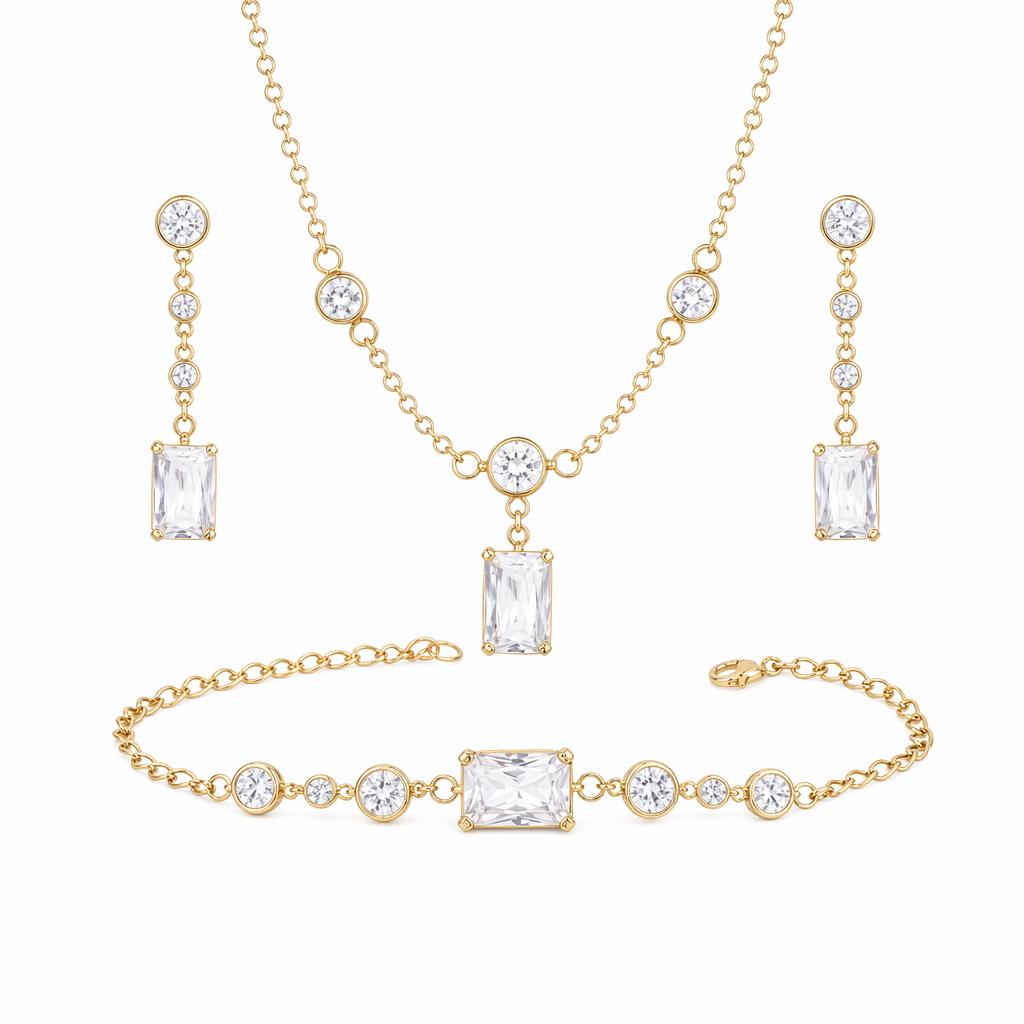
IMFuduola.com supplies fashion jewelry across all metal material categories—from gold-plated brass to sterling silver vermeil—for B2B wholesale buyers. Our team provides metal quality consultation and material specification support. Contact us to discuss fashion jewelry metal requirements.