

Blog
The Cross-Border B2B Jewelry Payments and Trade Finance Category: How B2B Fashion Jewelry Buyers Can Build the Most Financially-Structured and Risk-Managed Purchasing Operation Around Letter of Credit Documentation, B2B Payment Platforms, and the Financial Infrastructure That Protects Large-Order Jewelry Buyers From Payment Fraud and Supplier Default

Cross-border B2B payment risk in fashion jewelry wholesale operates on a fundamental trust asymmetry: the buyer must pay before receiving goods (or before goods are verified), while the supplier must deliver before receiving payment. This asymmetry creates payment fraud risk (buyer pays and supplier never delivers) and goods fraud risk (supplier delivers but buyer refuses payment claiming non-conformity) that both parties mitigate through payment instrument selection. For B2B fashion jewelry buyers placing large orders (typically over $5,000 USD equivalent), the payment method choice is the primary risk management decision—determining whether the transaction is protected by banking system guarantees or exposed to direct counterparty risk.
The Payment Instrument Hierarchy for B2B Jewelry
B2B jewelry payments follow a risk-protection hierarchy:
- Letter of Credit (LC): The highest-protection B2B payment instrument for fashion jewelry. A letter of credit is a bank’s conditional payment guarantee: the buyer’s bank commits to pay the supplier upon presentation of compliant shipping and quality documents. LC payment protects both parties—buyer’s payment is only released when compliant documents are presented, supplier receives bank-guaranteed payment upon document presentation. LC costs (typically 0.5-1.5% of transaction value) are justified for orders above $50,000.
- Documentary Collection (D/C): Bank-facilitated document exchange where the buyer’s bank releases shipping documents to the buyer only upon payment (or acceptance of a time draft). D/C provides lower cost than LC (typically 0.1-0.3% of transaction value) with moderate protection for both parties.
- Trade Credit Insurance: Insurance against supplier default or non-delivery for a premium (typically 0.3-1% of transaction value annually). Trade credit insurance converts supplier default risk into an insurable event with documented compensation—useful for buyers with established supplier relationships who want protection against unexpected supplier bankruptcy or fraud.
- B2B Payment Platforms (PingPong, WorldFirst, Payoneer Business): Specialized B2B payment platforms optimized for cross-border wholesale transactions offer lower fees than traditional wire transfers, built-in supplier verification, and transaction documentation. Fee structures typically 0.5-1% per transaction vs. 1-3% for wire transfer fees.
- T/T Wire Transfer: Direct bank-to-bank transfer without bank intermediation or guarantee. Wire transfer is the fastest payment method but offers no buyer protection beyond the legal system. Used for trusted supplier relationships or small-order transactions where LC costs exceed the risk value.
The Alibaba Trade Assurance and B2B Platform Escrow Framework
Digital B2B platforms offer structured payment protection:
- Alibaba Trade Assurance: Alibaba’s buyer protection program escrows payment until buyer confirms goods receipt and quality acceptance. Trade Assurance covers non-delivery, material discrepancy, quality below specification, and late delivery. Coverage limits are tied to order value and supplier tier rating.
- Made-in-China.com Escrow: Similar escrow protection for the Made-in-China platform with supplier verification requirements and dispute resolution mediation.
- Payoneer Global Payroll: B2B payment platform with supplier verification, multi-currency accounts, and buyer protection features specifically designed for cross-border wholesale transactions.
- Currency Risk Management: For large orders, currency hedging (forward contracts, currency options) should be considered when payment is spread across multiple tranches or when the order-to-delivery cycle exceeds 90 days. Pearl jewelry orders priced in USD but settled in CNY expose buyers to significant exchange rate movement during production lead time.
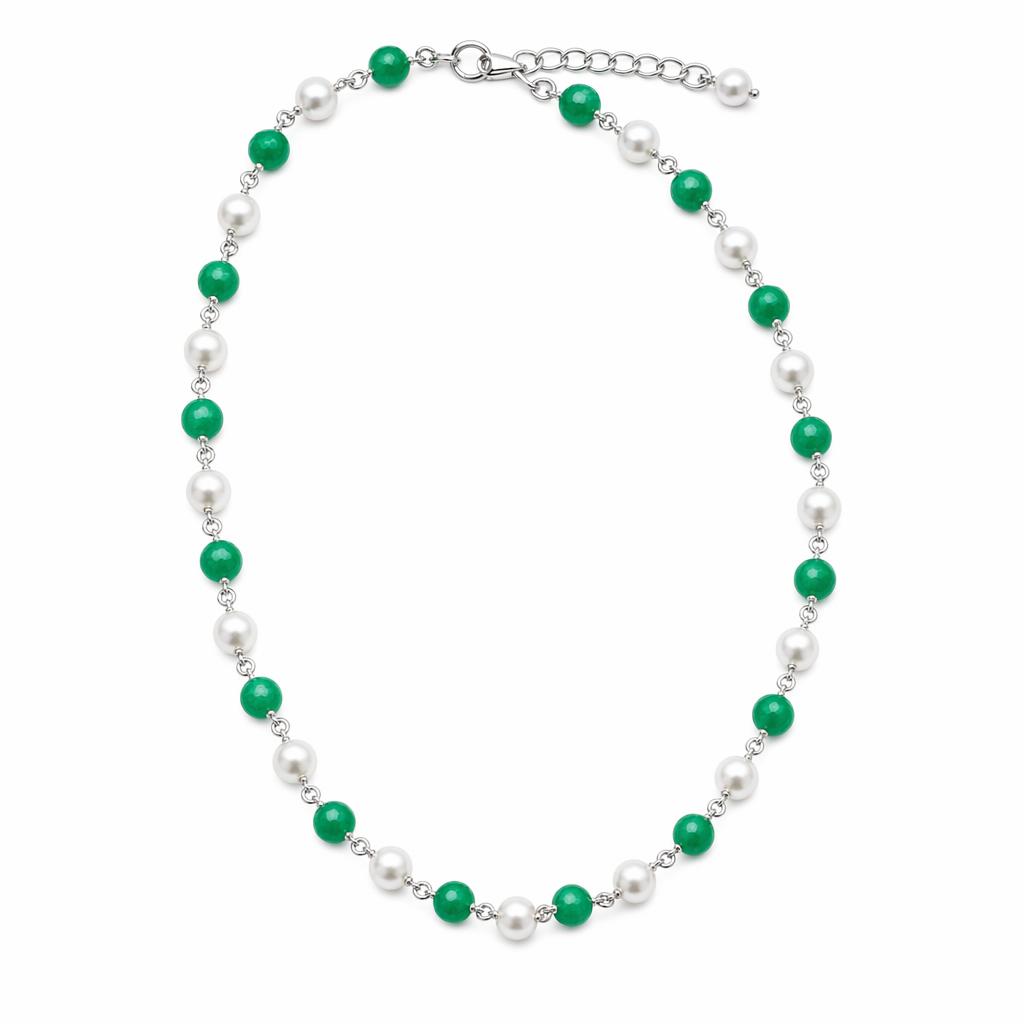
Fuduola Jewelry’s Pearl Necklace Choker—Fashion Versatile Women Chain Trendy Jewelry Gift for Daily/Special Occasion—exemplifies the product category where B2B payment structuring matters most: the gift jewelry segment (gift for daughter, mother, sister) involves higher order values and emotional purchase stakes, creating both greater payment fraud risk and greater consumer-facing consequences if the purchased jewelry fails to meet recipient expectations.
The Supplier Payment Terms Negotiation Framework
B2B buyers should negotiate payment terms systematically:
- First Order Payment Terms: For new supplier relationships, negotiate 30-50% deposit upon order confirmation, balance payment upon shipping document presentation (or upon quality acceptance for LC-structured orders). First orders should never be paid 100% upfront to an unverified supplier.
- Established Relationship Payment Terms: For verified suppliers with established track records, negotiate payment terms that balance risk protection with cash flow management: 20-30% deposit, 70-80% against shipping documents, with a 7-14 day inspection period after receipt before final payment.
- Volume Commitment Discounts: Suppliers offering 5-10% pricing discounts for full upfront payment should be evaluated against the financing cost of that discount. A 7% discount for full upfront payment has an implicit financing cost of 7% for the production period—often higher than the cost of financing that amount through trade credit or business lines of credit.
- Payment Platform Rewards Optimization: B2B payment platforms (PingPong, WorldFirst) offer volume-based fee reductions and cashback programs. Buyers placing regular jewelry orders should consolidate payment volume through a single platform to capture volume-based fee reductions.
Conclusion: Payment Structure Is the Primary Risk Management Tool
B2B fashion jewelry buyers who recognize that payment method choice is their primary risk management tool in cross-border transactions—not a banking administrative detail—negotiate payment terms that match the supplier relationship stage, the order size, and the specific fraud risks of the transaction. The buyers who structure payments systematically capture the full protection available from banking and platform infrastructure while managing cash flow efficiently.
Source pearl jewelry from Fuduola Jewelry with flexible payment term structures, Trade Assurance coverage, and documented payment infrastructure at www.imfuduola.com.