
Blog
The Baroque Pearl Premium: Why Irregular Freshwater Pearls Are Quietly Becoming the Highest-Margin Category in B2B Fashion Jewelry Wholesale

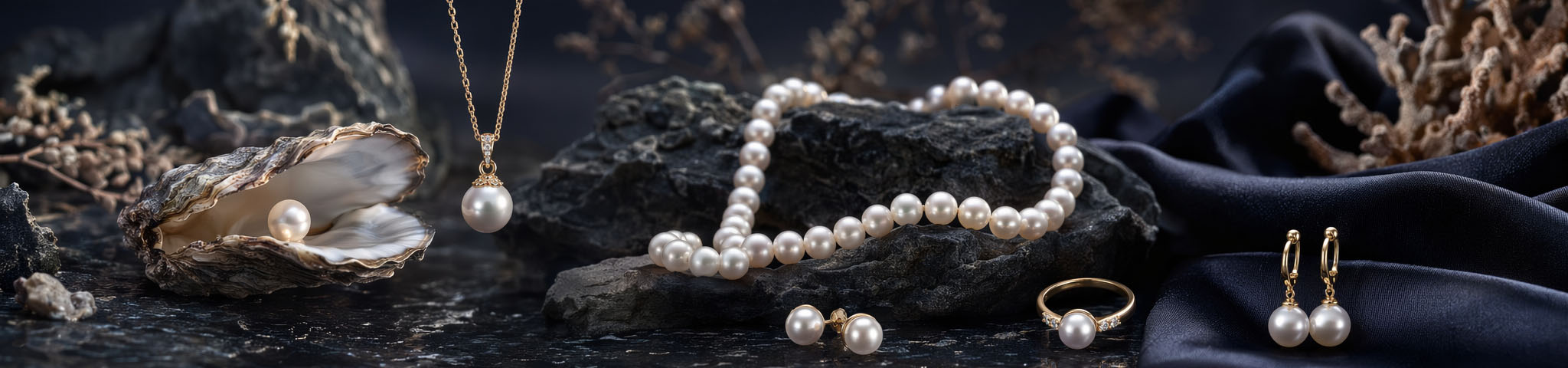
There is a quiet revolution happening in the pearl section of fashion jewelry wholesale — and most buyers are still buying the wrong thing. While the market has been focused on perfectly round Akoya and Tahitian pearls as the premium tier, a different trade has been building at the wholesale level: baroque pearl jewelry, powered by the irregular beauty of freshwater pearls, is consistently delivering higher gross margins for retailers and stronger repeat-order rates for B2B buyers.
Why Baroque Pearls Are Winning in Retail
The appeal of baroque pearls is not accidental — it is engineered by the intersection of three consumer psychology drivers that are intensifying in 2026. First, the luxury authenticity signal: in a market flooded with perfectly symmetrical mass-produced jewelry, the irregularity of a baroque pearl communicates genuine provenance. No two baroque pearls are identical, which means every piece is inherently one-of-a-kind. Second, the price-to-distinctiveness ratio: baroque pearl pieces retail at price points between $20-$60 in most Western markets while delivering a luxury aesthetic that consumers perceive as significantly more expensive than it is. Third, the social media amplification coefficient: irregular, organic shapes photograph exceptionally well under natural and studio lighting, generating the kind of organic engagement that drives repeat visits to retail sites.
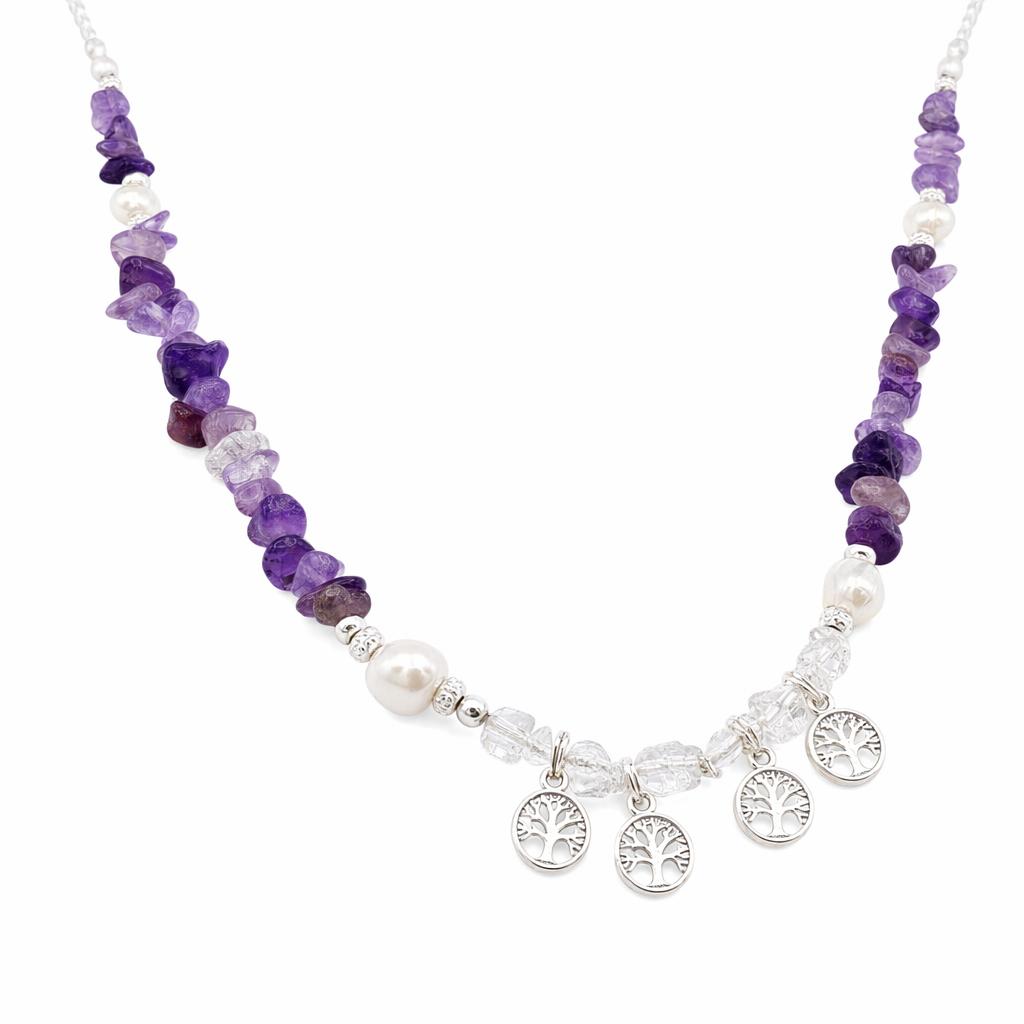
Fuduola Jewelry has been quietly building one of the more comprehensive baroque pearl jewelry portfolios in the B2B fashion jewelry wholesale space. Their product line includes baroque pearl clavicle chains, irregular baroque pearl pendant necklaces, mismatched pearl ear clusters, and baroque pearl brooches — pieces that retail across the $18-$55 range with wholesale economics that support strong tiered margin structures.
The Supply Chain Logic for B2B Buyers
What makes baroque pearl jewelry particularly compelling from a supply chain perspective is the relative stability of freshwater pearl sourcing compared to the supply constraints affecting ocean pearls. China produces approximately 95% of the world’s freshwater pearls, and the regional concentration of freshwater pearl cultivation — primarily in the Zhejiang and Jiangsu provinces — means that suppliers like Fuduola with established procurement relationships have access to consistent quality grading that independent buyers cannot replicate.
The key technical differentiation is in the baroque pearl grading process. Unlike round pearls, where size and luster are the primary value determinants, baroque pearl quality assessment requires evaluation of surface regularity, orient (the rainbow iridescence phenomenon), and matching across multiple pearls in a single piece. Fuduola’s 130+ designer team works directly with pearl grading specialists to ensure that baroque pearl pieces meet the consistency standards required for retail shelf placement — not just the wholesale minimum.
Building a Baroque Pearl Category in Your Wholesale Portfolio
For B2B buyers constructing or expanding their pearl jewelry category, the baroque segment offers specific structural advantages:
- Lower landed cost per piece: Baroque freshwater pearls command significantly lower raw material costs than round Akoya or Tahitian pearls, allowing for competitive wholesale pricing while maintaining healthy retail margins.
- Design flexibility: The irregular shapes enable creative design approaches — asymmetrical compositions, organic clustering, mixed-metal settings — that are much harder to execute with round pearls.
- Retail customer acquisition efficiency: The distinctive aesthetic of baroque pearl pieces creates stronger visual differentiation on retail websites and in physical displays, reducing the customer acquisition cost per sale.
- Cross-seasonal relevance: Unlike trend-driven categories that require seasonal refresh, baroque pearl jewelry operates across casual and formal contexts, reducing the need for aggressive end-of-season markdowns.
The B2B buyers who recognized baroque pearl jewelry as a structural category rather than a trend three years ago have been systematically outperforming peers who treated it as an opportunistic add-on. The question for 2026 buyers is no longer whether to carry baroque pearl jewelry — it is how large a allocation it deserves in the wholesale plan.