Blog
The Light Luxury Positioning Playbook: How Pearl Jewelry Brands Are Quietly Building the Most Defensible Mid-Priced Category Position in Global Fashion Jewelry Wholesale

The global fashion jewelry market is undergoing a structural repositioning that is creating new category winners and losers. The traditional price-tier framework — luxury jewelry at the top, fashion jewelry at the bottom, with a hard boundary between them — is dissolving. In its place, a new category is emerging with remarkable commercial momentum: light luxury. Light luxury fashion jewelry occupies the space between accessible fashion jewelry and investment-grade luxury, offering consumers the material quality, aesthetic refinement, and brand experience of luxury jewelry at price points that support frequent purchase and everyday wear. For B2B wholesale buyers who understand the category dynamics driving this shift, light luxury pearl jewelry represents one of the most defensible and profitable category positions available in the current market.
Why Light Luxury Is a Structural Category, Not a Marketing Label
The light luxury category is not defined by price alone — it is defined by a specific consumer psychological contract: the buyer is purchasing something that they perceive as genuinely luxurious, with real material quality and authentic design sophistication, but at a price point that does not require the same deliberation and sacrifice as a true luxury purchase. This consumer psychology creates a fundamentally different purchase dynamic than either commodity fashion jewelry or investment luxury.
Pearl jewelry — particularly freshwater pearl and Baroque pearl products — occupies this light luxury positioning naturally because of the intrinsic material story. Pearls carry an inherent luxury narrative — organic, rare-ish, beautiful — that requires less brand building investment to activate than a synthetic material like stainless steel or brass. When a consumer sees a pearl necklace at a light luxury price point, their perception of value is anchored to the material itself, not to the brand alone. This makes pearl jewelry in the light luxury tier more defensible against price competition than pure fashion jewelry categories where material cost is low and brand is the primary value driver.
The Light Luxury Pearl Category Economics
The commercial structure of light luxury pearl jewelry is more favorable for wholesale buyers than the commercial structure of either commodity fashion jewelry or investment luxury. In commodity fashion jewelry, the competitive dynamic is primarily price-based — buyers are constantly under pressure to find lower-cost sources, and margins are compressed by the accessibility of the manufacturing capability. In investment luxury, the competitive dynamic is primarily brand and relationship-based — buyers are locked into established luxury brands by consumer loyalty and brand prestige, which limits negotiating leverage.
In light luxury pearl jewelry, the competitive dynamic combines material authenticity (which creates genuine differentiation), design sophistication (which rewards creative capability), and accessible price points (which supports broader retail distribution). The result is a category where wholesale buyers can maintain healthy margins, build retailer loyalty through curated product selection, and access a broad consumer base that is actively trading up from commodity fashion jewelry into light luxury positioning.
What Light Luxury Positioning Requires from Wholesale Suppliers
For B2B wholesale buyers building a light luxury pearl jewelry category position, the supplier capability requirements are specific and demanding:
- Material quality consistency: Light luxury consumers have higher material quality expectations than mass fashion consumers — pearl luster, surface quality, and consistency must meet standards that are higher than commodity products.
- Design sophistication: The aesthetic standard for light luxury products must be genuinely sophisticated, not merely trend-referenced. Design capability — not just trend-watching — is a prerequisite.
- Presentation and packaging: Light luxury products require luxury-appropriate packaging and presentation that reinforces the premium positioning — the unboxing experience matters to the light luxury consumer.
- Supply chain transparency: Light luxury consumers are increasingly interested in supply chain provenance — particularly for pearl sourcing, where ethical and sustainability considerations are growing in consumer awareness.
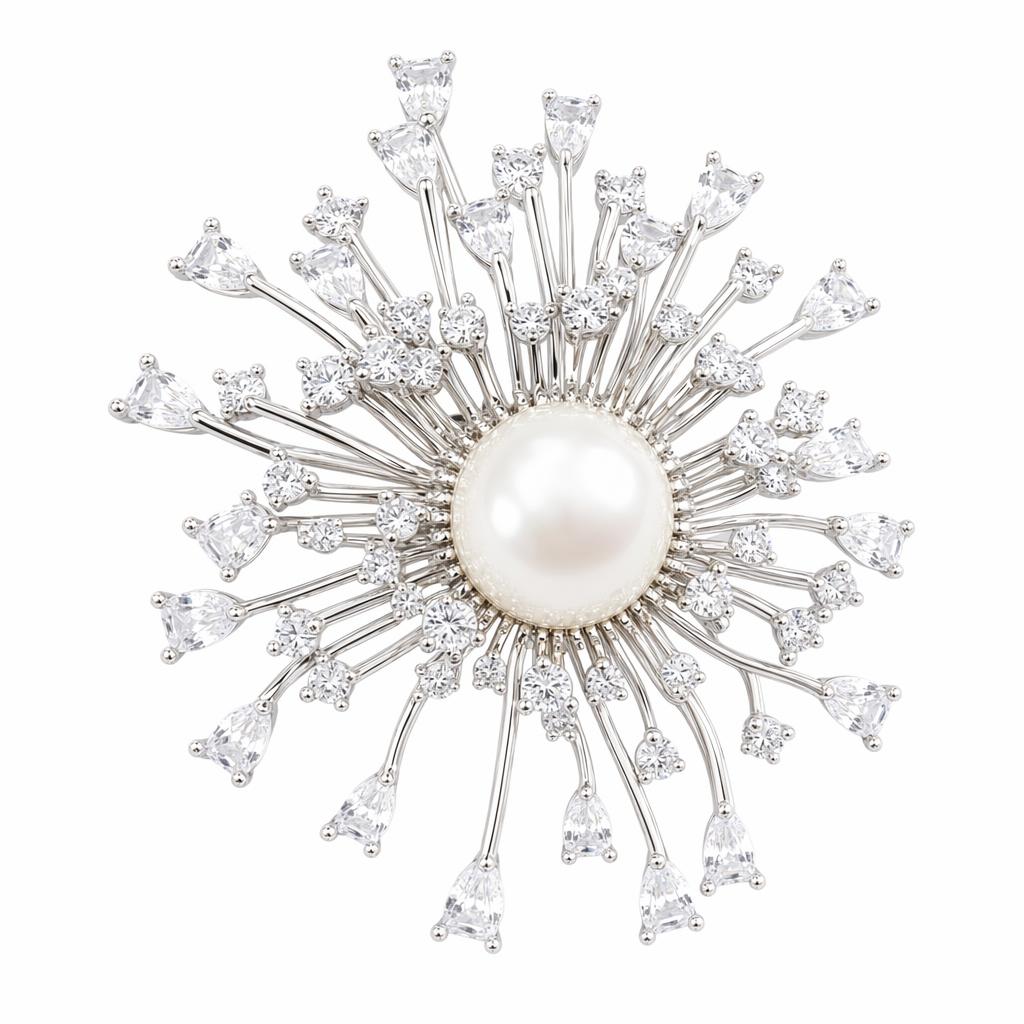
Fuduola Jewelry’s focus on pearl jewelry products — including Baroque pearl brooches and light luxury pendant necklaces — positions the company to serve buyers building light luxury category positions. The combination of designer capability, spot inventory depth, and export compliance infrastructure addresses the key supplier requirements that light luxury retail channels demand.