Blog
Why Gift-Giving Economics Are Quietly Becoming the Most Overlooked Revenue Driver in Fashion Jewelry Wholesale for 2026

In fashion jewelry wholesale, most buyers spend their energy chasing trend cycles — the viral TikTok piece, the overnight micro-trend, the “it” item of the season. But experienced importers know that the most predictable, high-margin, repeat-order revenue stream in the category isn’t driven by trend at all. It’s driven by gift-giving occasions.
In 2026, the economics of gifting — Christmas, Valentine’s Day, Mother’s Day, graduation season, and a growing calendar of corporate and personal milestones — is reshaping how leading B2B jewelry buyers plan their inventory, structure their pricing tiers, and design their product assortments. And for distributors who understand this structural demand pattern, the opportunity is significant and remarkably consistent year over year.
1. The Gift Economy Is a Structural Revenue Pillar, Not a Seasonal Bonus
The mistake many smaller jewelry retailers make is treating holiday seasons as opportunistic windows — stocking up on giftable items in November and January, then pivoting back to trend-driven inventory for spring. This approach leaves enormous value on the table.
Leading fashion jewelry distributors in Europe and North America have reversed this logic. They design their entire product architecture around giftability: pieces that come in ready-to-gift packaging, price points calibrated for different gifting budgets, and curated gift sets that bundle complementary items at a slight premium discount. The result is a revenue floor that doesn’t depend entirely on trend momentum.
2. Why Pearl Jewelry Dominates the Gift Category (And What That Means for Buyers)
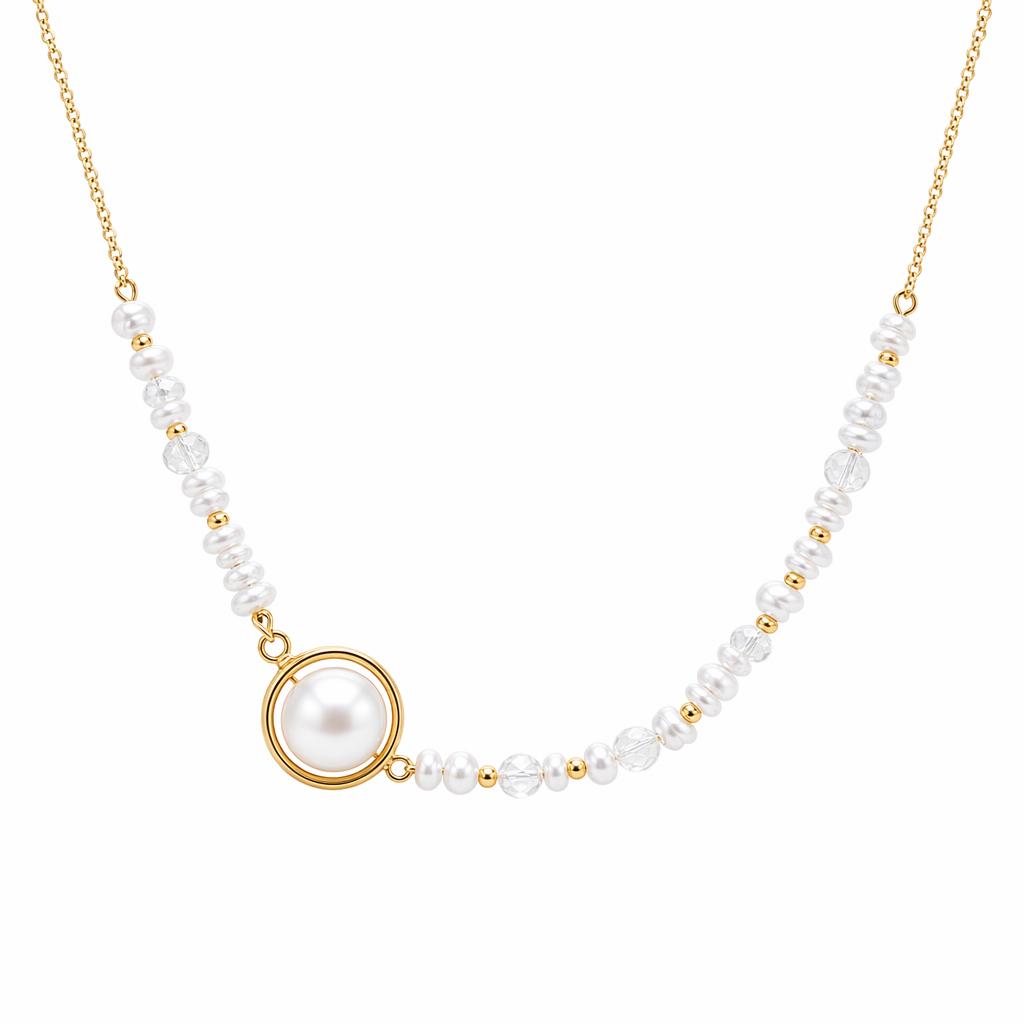
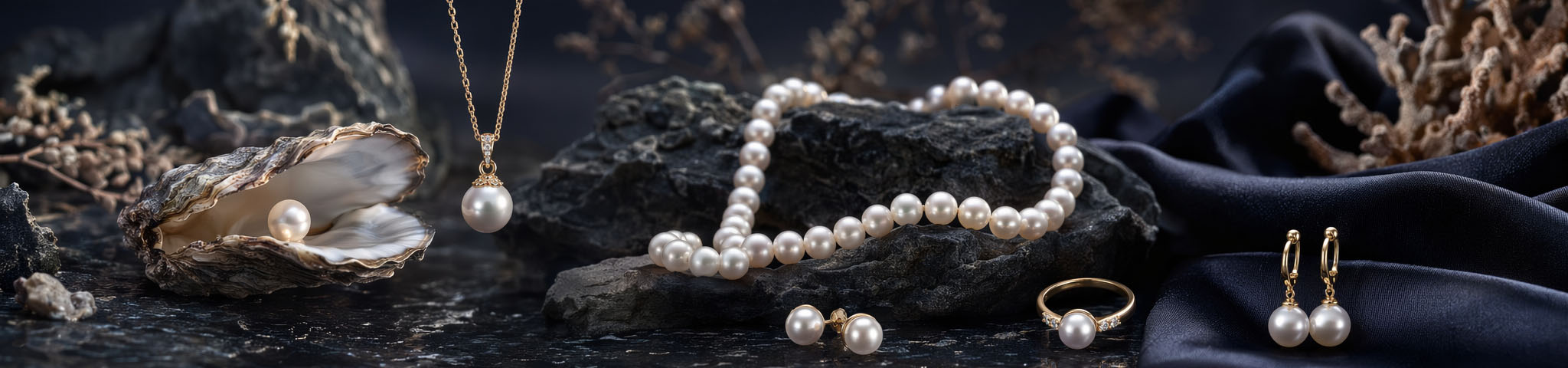
Across global jewelry retail data, one category consistently outperforms all others in gift-giving contexts: pearl jewelry. The reasons are structural. Pearls carry universal symbolic resonance — elegance, purity, timelessness — that works across age groups, cultural contexts, and relationship types. They also photograph exceptionally well on social media, which means gift recipients frequently share their gifts publicly, creating organic word-of-mouth marketing that drives further demand.
For B2B buyers sourcing from a Yiwu-based manufacturer, prioritizing pearl-forward inventory is a defensible year-round strategy, not just a seasonal play. The wholesale buyers who secured strong pearl stock in Q3 of 2025 are now replenishing those lines consistently, regardless of which trend cycle is currently dominating fashion headlines.
3. The Gift Set Premium: How Tiered Packaging Drives Margin
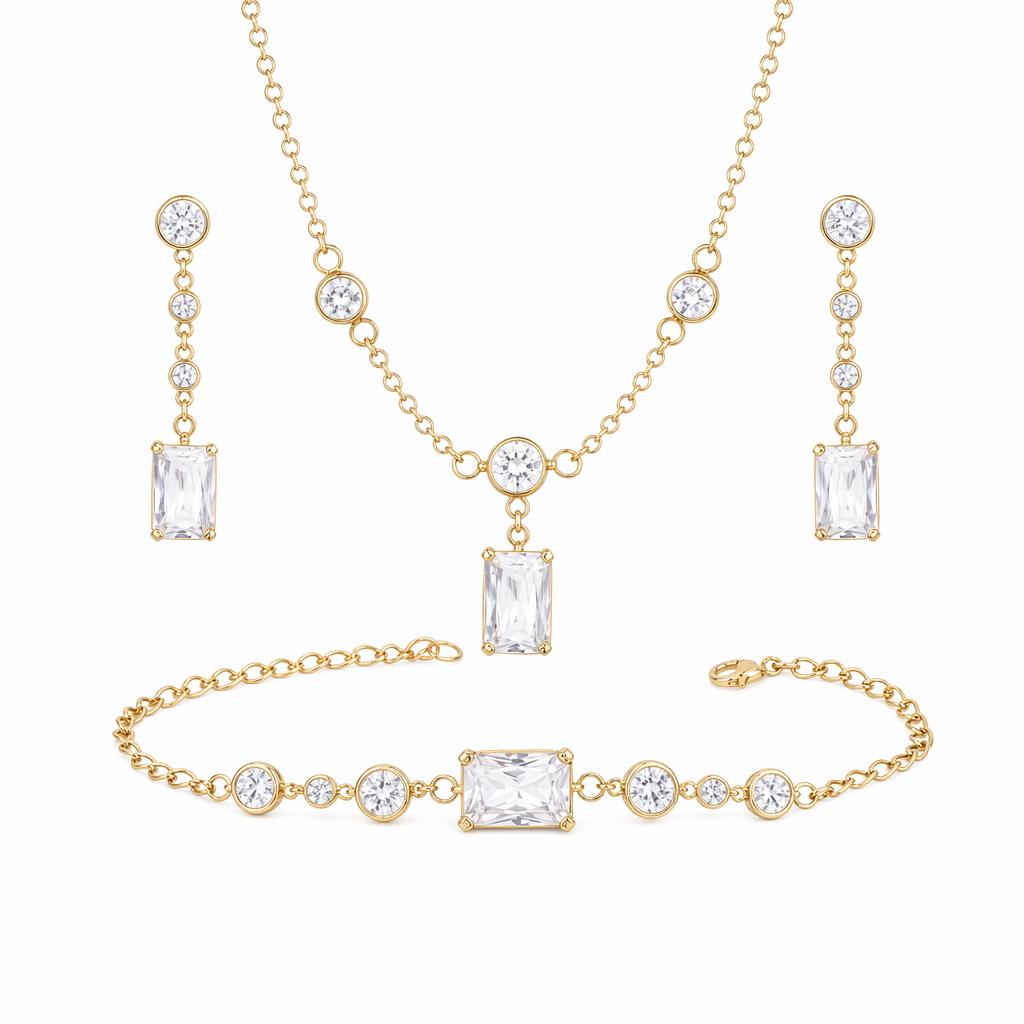
One of the most effective margin levers in fashion jewelry wholesale that gets insufficient attention is the gift set structure. When a single necklace sells at a $12 wholesale unit price, the buyer’s margin is determined by their retail markup. But when that same necklace is packaged as part of a matching set — a necklace plus earrings or a layered choker trio — the wholesale bundle price might be $28-35, with a retail gift set selling for $60-80.
The math is compelling: less packaging cost per unit, higher perceived value, and stronger customer loyalty because sets are typically purchased from the same supplier. IMFuduola’s in-house design team regularly develops coordinated gift set configurations for wholesale partners, allowing distributors to test retail gift set concepts without committing to bespoke manufacturing runs.
4. The Global Gift Calendar: Mapping Your Inventory to Seasonal Demand
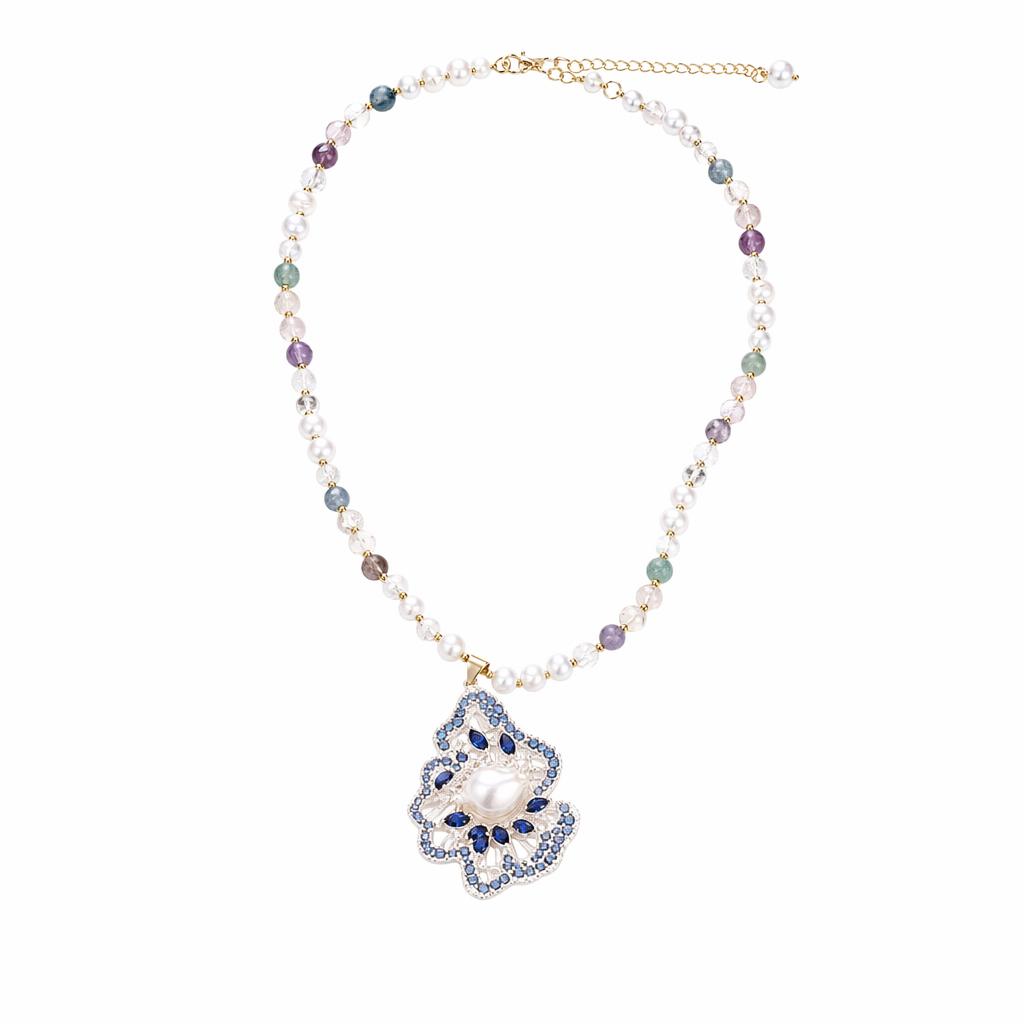
For B2B buyers managing inventory across multiple markets, understanding the gift calendar is essential for optimizing purchase timing and cash flow. Here’s the structural demand pattern experienced jewelry importers plan around:
- January–February: Post-holiday replenishment, corporate gifting programs reset, Valentine’s Day prep for retailers. Pearl pendants and delicate chain pieces see peak demand.
- April–May: Mother’s Day drives the single largest gift jewelry spike in Western markets. Elegant pearl necklaces and classic chokers are the dominant categories.
- June–August: Graduation and summer wedding season. Bridal-adjacent pearl pieces and gift sets for bridesmaids create a secondary peak.
- September–November: The holiday ordering window. This is when leading distributors place their largest forward orders for the year’s biggest retail season. Gift set configurations and premium packaging options are most in demand.
5. Beyond Traditional Gifting: The Corporate and Events Channel
One underutilized growth channel for fashion jewelry wholesale is the corporate gifting and events market. Companies purchasing branded gift boxes for client appreciation, event swag bags, or employee recognition programs represent a high-volume, predictable B2B customer segment — and they consistently favor pearl and minimalist metal jewelry pieces that carry perceived value without extreme cost.
For wholesale suppliers with OEM and custom packaging capabilities, this channel represents a meaningful margin opportunity that doesn’t compete with retail trend cycles at all. Distributors who have developed corporate gifting pipelines report some of the most stable reorder rates in their business, because corporate buyers plan annual budgets and maintain consistent supplier relationships across multiple years.
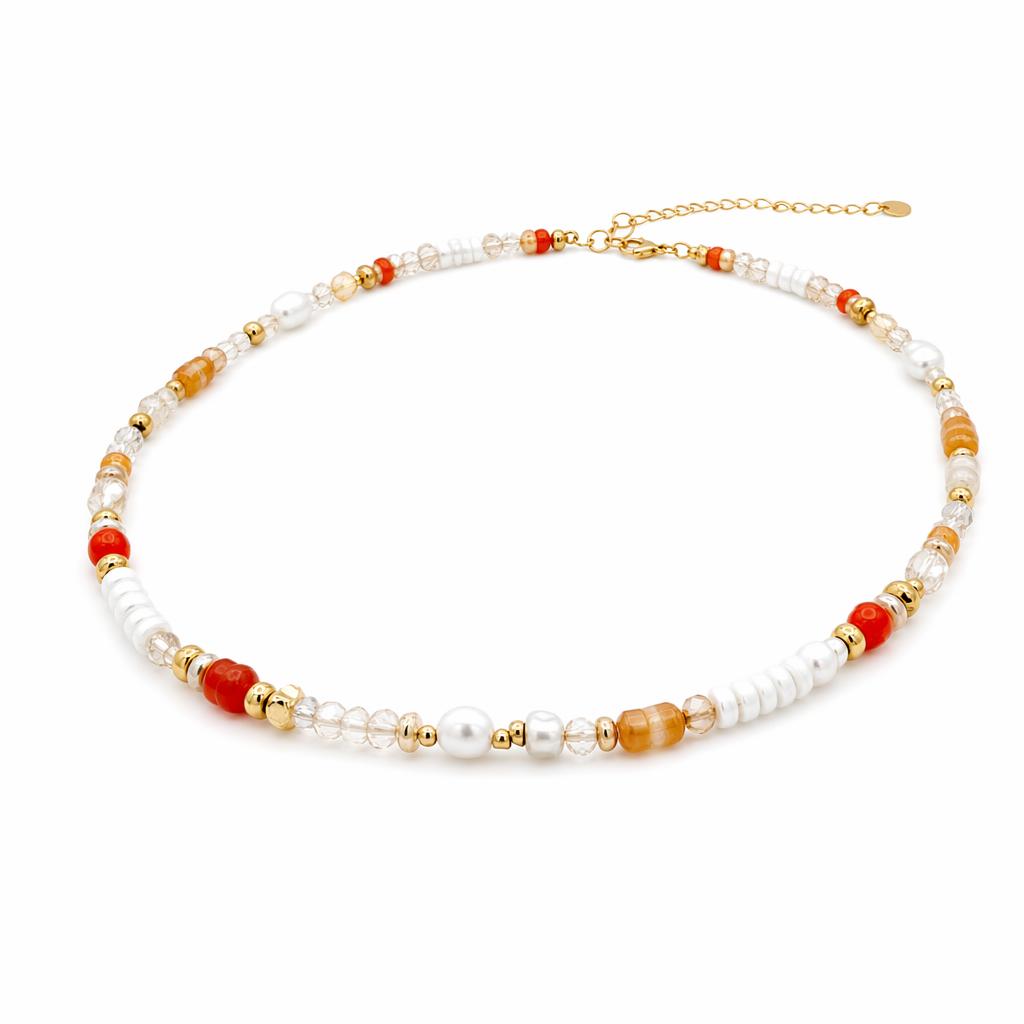
The Bottom Line: Build for Gifts, Not Just Trends
The jewelry buyers winning in 2026 aren’t the ones who predicted the next viral micro-trend most accurately. They’re the ones who understood that fashion jewelry is, at its core, a gift category — and built their sourcing strategy, supplier relationships, and product assortment around that structural reality.
At IMFuduola, we supply fashion jewelry — with a strong emphasis on pearl and Y2K-inspired light luxury pieces — to distributors and retailers worldwide. Our catalog includes ready-to-gift configurations, custom packaging options for corporate and event orders, and flexible MOQ for trial runs. Connect with our wholesale team to discuss building a gift-optimized product line for your market.