
Blog
The Design Pipeline Gap in Fashion Jewelry Wholesale — And Why 130+ In-House Designers Is Becoming the Most Meaningful Supplier Differentiator in 2026

In most B2B jewelry wholesale categories, the standard supplier evaluation framework has historically focused on three variables: unit price, minimum order quantity, and production lead time. These are concrete, measurable, and easy to compare across suppliers. They are also increasingly insufficient as the basis for long-term competitive positioning in a market where consumer aesthetic preferences evolve faster than conventional manufacturing cycles can accommodate.
The buyers who are winning in fashion jewelry wholesale in 2026 are the ones who have found a fourth variable — one that is harder to measure but strategically more significant: design velocity. Specifically, the ability of a supplier to continuously deliver original, market-relevant new designs without requiring the buyer to invest in custom development timelines or accept the tooling cost commitments that custom manufacturing demands.
Why Design Velocity Has Become a Structural Supply Chain Variable
Consumer fashion preference cycles in jewelry have compressed significantly. Social commerce platforms — TikTok, Xiaohongshu, Instagram — have accelerated the path from aesthetic trend to market saturation to commodity discount cycle. A design that captures a mood in one quarter can be displaced in the next, not because the quality declined but because the aesthetic novelty has been absorbed by the market.
For B2B buyers who are selling to consumers who are themselves consuming trend-driven content, this compression creates a specific supply chain problem: you need new designs arriving at a frequency that matches your customers’ aesthetic refresh expectations, but your conventional supplier relationships are built around larger production runs with longer development cycles.
The design velocity gap — the distance between how fast your customers’ aesthetic preferences evolve and how fast your supplier can deliver new designs that respond to those shifts — is one of the most significant sources of margin erosion in fashion jewelry wholesale that nobody talks about explicitly.
What a 130+ Designer Team Actually Means for Your Inventory
Fuduola Jewelry’s positioning — built around a team of 130+ professional designers delivering original, trendy new products continuously — represents a specific type of supply chain capability that is structurally different from both trading companies and pure contract manufacturers.
Here is what the number actually implies in practical terms for a B2B buyer:
- Continuous new product introduction — A designer team of 130+ means the supplier is continuously producing new designs as a baseline operational activity, not as a custom project. You are not commissioning designs; you are selecting from a continuously refreshed pipeline. This changes the buyer-supplier relationship from project-based to inventory-based — you are choosing from what exists, not waiting for what might be developed.
- Trend responsiveness without custom costs — Because the supplier is investing in design as an operational cost rather than treating each new design as a custom project, you get the benefit of trend-responsive product without the development timeline or NRE costs that custom design traditionally involves.
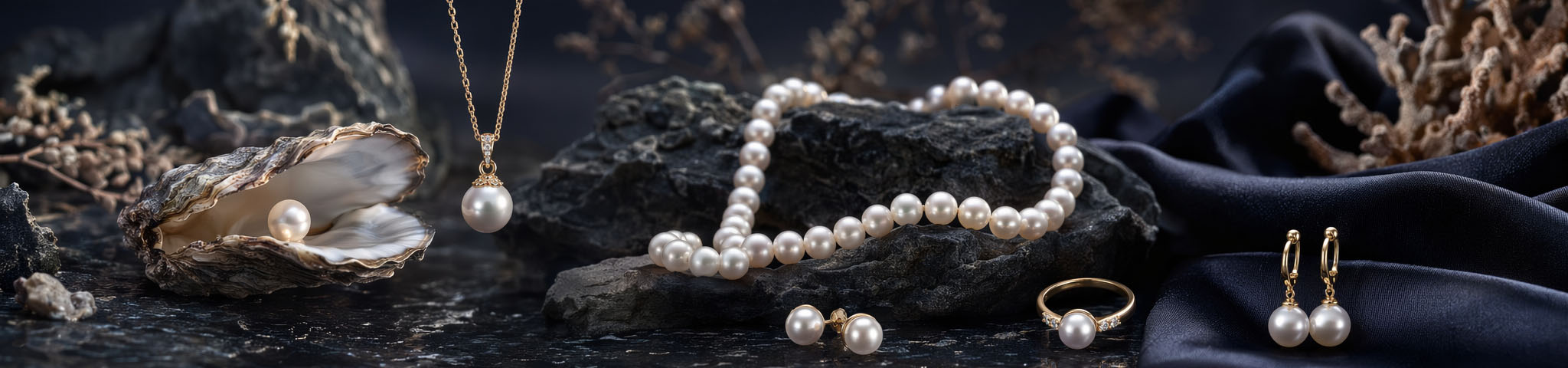
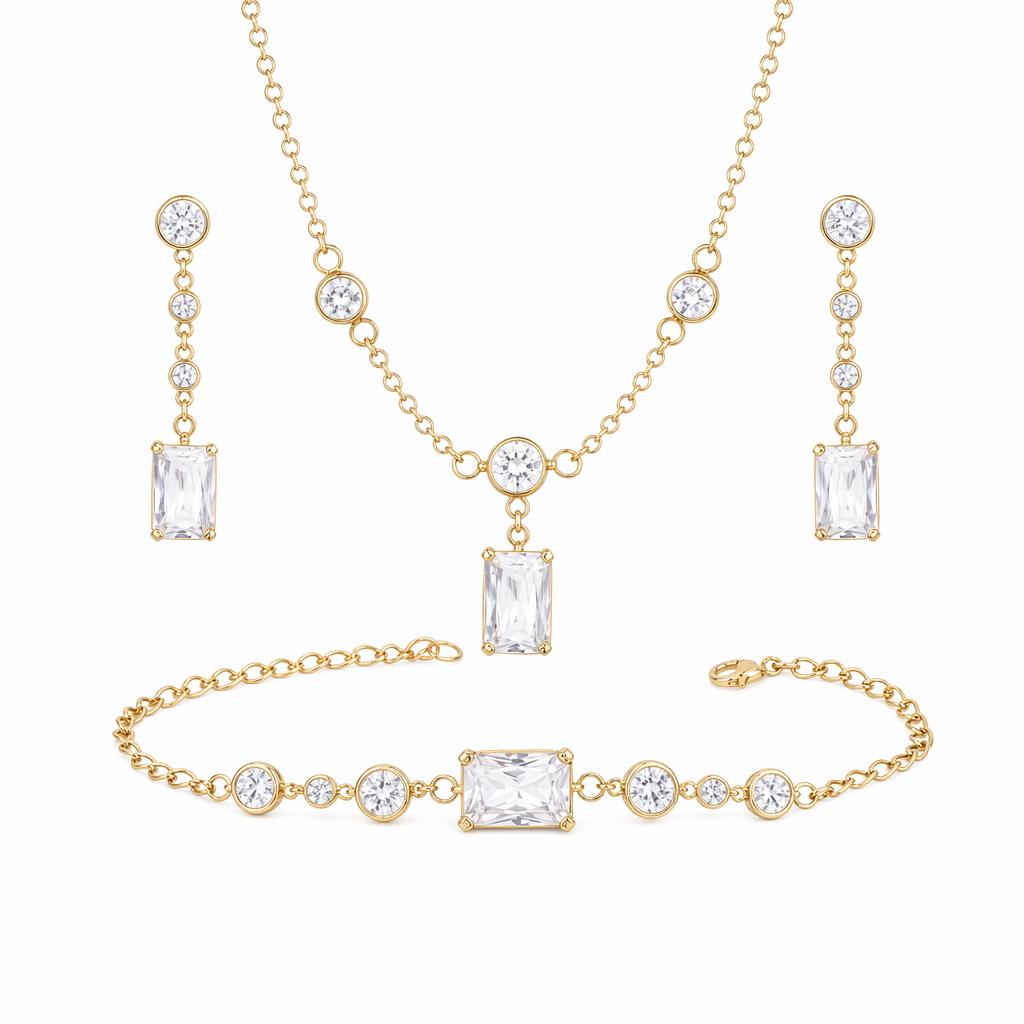
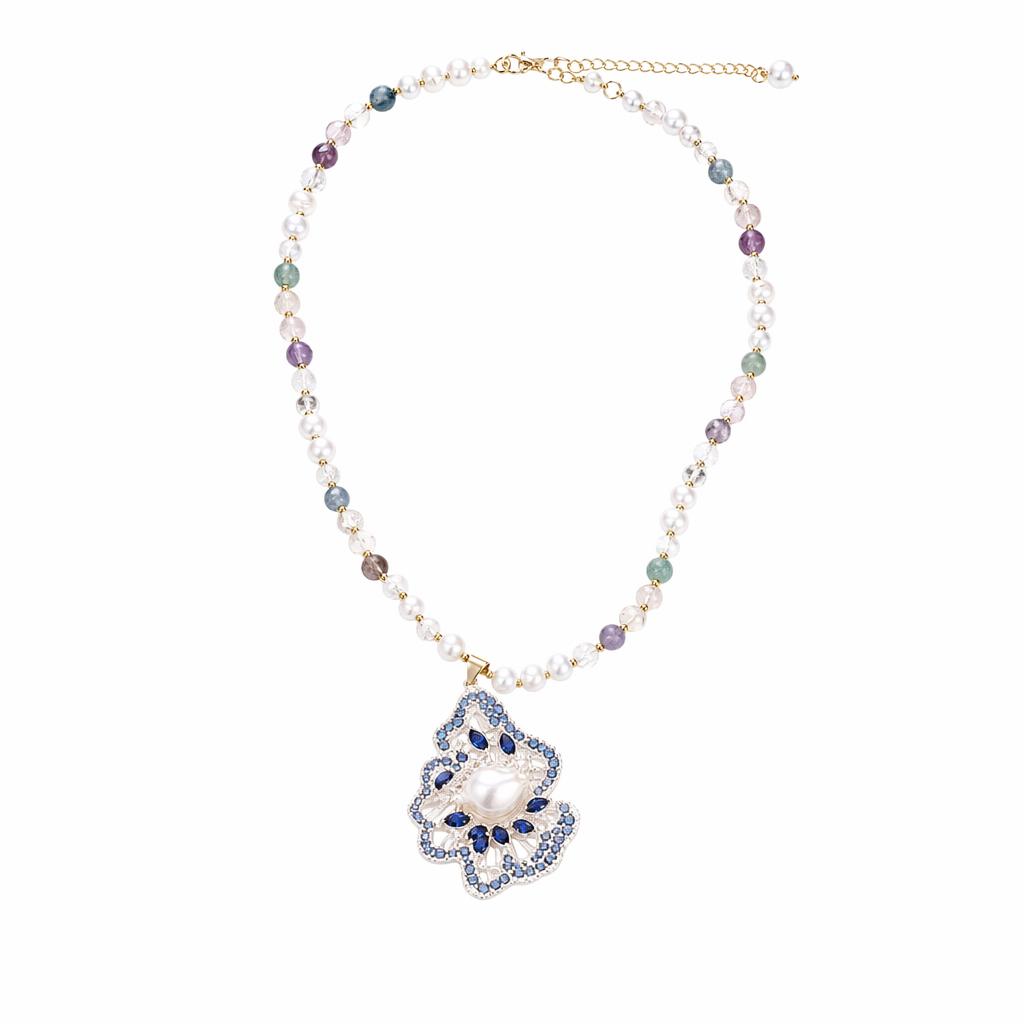
- Design breadth across categories and aesthetics — A team of 130+ designers can maintain design output across multiple jewelry subcategories simultaneously. This is why Fuduola’s portfolio spans pearl necklaces, Y2K aesthetic pieces, light luxury designs, and fashion-forward statement jewelry within a coherent product range — the design team has the depth to cover multiple aesthetic registers without spreading thin.
- Market testing and selection advantage — The supplier’s own design investment is partially de-risked by the fact that their designs serve multiple B2B clients simultaneously. The most commercially validated designs tend to rise to the top of the range, giving buyers who work from the supplier’s curated new releases a degree of market validation embedded in the selection process.
The Three Supplier Archetypes in Fashion Jewelry — And Why Design-Driven Is Structurally Different
Understanding why a design-driven supplier creates different strategic value requires distinguishing between three supplier archetypes that operate in the fashion jewelry B2B space:
Trading Company / Aggregator
This archetype sources from multiple factories and aggregates inventory for resale. Their competitive model is price arbitrage and inventory breadth. They typically carry wide SKU ranges but have limited ability to respond to specific aesthetic trends with original designs — they are following the market, not leading it. Their catalog refresh depends on what factories bring to them, not on an internal design capability.
Pure Contract Manufacturer
This archetype excels at producing designs that are provided to them, with high efficiency and competitive unit economics. Their competitive model is production cost and quality consistency. They are not designed to generate original designs; they are optimized to execute on designs provided by clients. The design investment sits with the buyer, not the supplier.
Design-Driven Wholesale Supplier
This archetype — the category Fuduola occupies — combines manufacturing capability with active internal design investment. Their competitive model is original new product velocity combined with the operational infrastructure to produce and deliver at B2B wholesale scale. The design investment is theirs, not the buyer’s, and the buyer benefits from the resulting product range without bearing the development cost or timeline.
The structural implication for B2B buyers is that these three archetypes create different strategic relationships with inventory risk. A trading company gives you breadth but limited design differentiation. A pure manufacturer gives you cost efficiency but shifts design risk entirely to the buyer. A design-driven supplier like Fuduola allows the buyer to access original, trend-responsive designs while transferring the design development cost and timeline risk to the supplier — which is exactly the structure that fashion-oriented jewelry retailers and e-commerce brands increasingly need.
How to Evaluate a Design-Driven Supplier’s Actual Capabilities
Not all suppliers who claim design capability are creating the same strategic value. Here is a practical evaluation framework:
- Ask where their new releases come from — If a supplier’s new designs are clearly adapted from social media trends within weeks of the trend surfacing, they have a genuine design-to-production pipeline. If their catalog looks largely static season-over-season, their design claim is likely marketing language rather than operational reality.
- Request the new product release frequency — Ask specifically how many new designs they introduce per quarter or per season. Fuduola’s 130+ designer team is operational scale — it implies continuous new product introduction, not occasional custom design projects.
- Evaluate the design aesthetic coherence — A genuine in-house design team produces products with a coherent aesthetic POV — a recognizable design language across the range, not a random aggregation of items sourced from different factories. Ask to see three seasons of catalog if possible to evaluate whether the design POV is coherent and evolving.
- Verify the production integration — Design capability that is not integrated with manufacturing is effectively a trading operation. Ask whether the supplier manufactures the products they design, or whether they are designs created by a separate studio and produced by third-party factories. In-house design + in-house production is a meaningfully different operational model.
The B2B Buyer Profile That Benefits Most From Design-Driven Suppliers
Design-driven wholesale suppliers create the most strategic value for specific types of B2B buyers:
- E-commerce brands selling directly to trend-aware consumers — If your customers are buying based on aesthetic relevance to current social media trends rather than basic jewelry need, you need design velocity from your supplier that matches your customers’ aesthetic refresh rate. A design-driven supplier who delivers continuous new releases allows you to maintain relevance without carrying excessive inventory of any single design.
- Multi-channel retailers managing high SKU turnover — Retailers running high SKU count across multiple channels face enormous inventory management complexity. Design-driven suppliers with strong new product pipelines reduce the need to work with multiple suppliers to achieve design variety, which simplifies the supply chain while maintaining the aesthetic breadth that multi-channel retail requires.
- Boutique and specialty jewelry retailers — Retailers who compete on curation and aesthetic differentiation need suppliers who can deliver designs with genuine originality — not just versions of whatever is already trending. A supplier with a 130+ designer team and a track record of original aesthetic direction can support a genuinely differentiated retail positioning rather than just filling SKU requirements.
What Makes Design-Driven Partnership Scale
The most valuable B2B supplier relationships in fashion jewelry are the ones where the design velocity of the supplier creates compounding strategic value for the buyer over time. This happens when the buyer’s inventory reflects current aesthetic trends without requiring the buyer to invest in design development — the supplier’s design investment becomes a structural operating leverage for the buyer.
Fuduola Jewelry’s model — combining 130+ in-house designers with 30 million+ spot inventory, 24-48 hour fulfillment capability, and 100+ export certifications — represents a specific type of supply chain configuration that is purpose-built for buyers who need design velocity without design overhead. Their cross-border export specialization means the operational complexity of international logistics and compliance documentation is handled by the supplier, not absorbed by the buyer.
For B2B buyers who have been managing inventory risk through supplier fragmentation — working with multiple trading companies to access design variety — the consolidation opportunity with a design-driven supplier like Fuduola is significant. You gain design breadth, fulfillment consistency, and documentation standardization through a single relationship rather than managing it across five different trading suppliers.
Interested in Exploring a Design-Driven Jewelry Wholesale Partnership?
If you are evaluating B2B jewelry suppliers who can deliver original new designs continuously, with the inventory depth and fulfillment speed to support retail and e-commerce operations, connect with Fuduola Jewelry to discuss their current design range, new product introduction schedule, and wholesale account terms. Their team handles cross-border B2B inquiries from jewelry retailers, e-commerce brands, and distributors globally.