

Blog
The Blockchain Jewelry Authentication and Digital Product Passport Category: How B2B Fashion Jewelry Buyers Can Build the Most Technology-Forward and Counterfeit-Resistant Product Assortment Around NFC Chips, QR Code Authentication, and the EU Digital Product Passport Mandate That Will Transform Jewelry Supply Chain Transparency by 2027

The EU’s proposed Digital Product Passport (DPP) regulation—part of the Sustainable Products Initiative and Ecodesign for Sustainable Products Regulation (ESPR)—will mandate digital product passports for all products sold in the European Union by 2027, with jewelry explicitly included in the product categories requiring DPP compliance. A Digital Product Passport is a digital twin of the physical product: a blockchain-verified or cryptographically secured record that captures the product’s entire provenance history (materials sourcing, manufacturing location, quality testing, logistics movement, retail placement) in an immutable format accessible via NFC chip, QR code, or RFID tag. For B2B fashion jewelry buyers, the DPP mandate represents both a compliance challenge and a commercial opportunity—to build supply chain transparency differentiation that commands premium positioning before DPP compliance becomes universal.
The EU Digital Product Passport Framework for Jewelry
DPP requirements for fashion jewelry under ESPR:
- Mandatory Data Points: DPP must capture: material composition (metal type, stone type, pearl origin), manufacturing location (country, facility, worker conditions verification), quality testing documentation, environmental footprint data (carbon footprint per gram of jewelry), and end-of-life recyclability information.
- QR Code vs. NFC Implementation: DPP accessible via either QR code (printed on product/packaging) or NFC chip (embedded in clasp, tag, or packaging). QR codes are lower cost but less tamper-resistant; NFC chips offer higher security but require reader infrastructure investment.
- Data Access Tiers: DPP regulation distinguishes between consumer-facing data (material composition, care instructions, provenance summary) and professional buyer-facing data (full supply chain documentation, test reports, facility audit reports). Both tiers must be maintained and accessible.
- Timeline: DPP requirements for jewelry are expected to enter force in 2026-2027, with phased implementation for SMEs vs. large enterprises. B2B buyers should begin DPP-compliant product sourcing now to establish supply chain documentation infrastructure before mandate dates.
Blockchain vs. Centralized Database Authentication
Jewelry authentication systems use two distinct technical architectures:
- Blockchain-Based Authentication: Immutable distributed ledger records every supply chain transaction (material purchase, manufacturing milestone, quality test, logistics movement) in a blockchain that cannot be altered retroactively. Blockchain authentication provides the highesttamper-resistance and is recognized by EU regulatory frameworks. Limitations include higher implementation cost and complexity.
- Centralized Database with Cryptographic Verification: Traditional database architecture with cryptographic signing (hash verification) that proves data hasn’t been altered without requiring full blockchain infrastructure. Lower cost implementation but depends on the database operator’s trustworthiness.
- QR Code Serialization: Each jewelry piece receives a unique serial number encoded in a QR code that links to the authentication record. QR code systems are low-cost and consumer-friendly but vulnerable to counterfeiters who copy the QR code alongside the physical product.
- NFC Chip Authentication: Near-field communication chips embedded in jewelry (typically in the clasp or a dedicated tag) provide cryptographic authentication that cannot be copied without physical chip removal. NFC offers the highest security for anti-counterfeit applications but requires NFC reader infrastructure at retail.
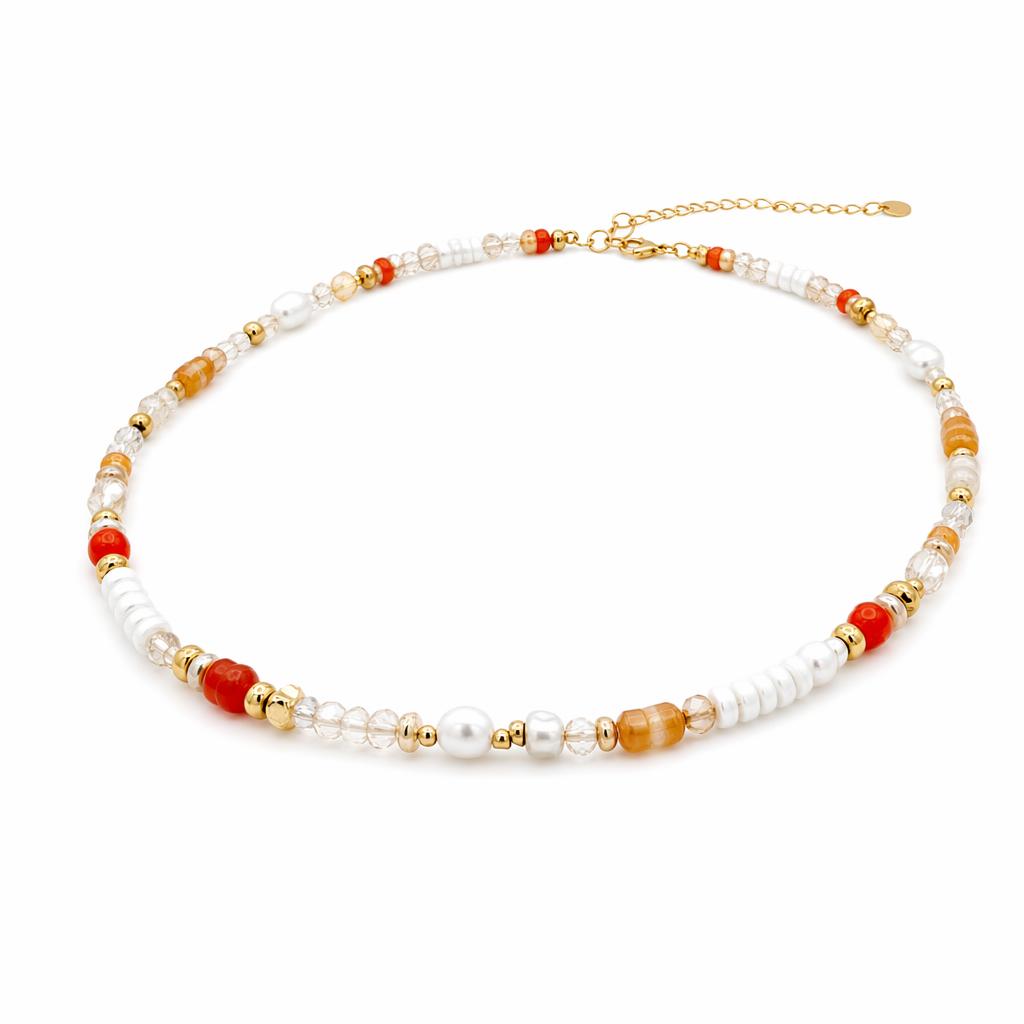
Fuduola Jewelry’s Pearl Necklace Choker—Fashion Versatile Women Chain Trendy Jewelry Gift for Daughter/Mother/Sister—exemplifies the jewelry category that benefits most from digital authentication: the gift jewelry market (daughters, mothers, sisters) is the segment most vulnerable to counterfeit substitution, and digital authentication provides the provenance assurance that gift purchasers demand when spending premium prices on pearl jewelry they cannot personally verify.
The Commercial Value of Supply Chain Transparency
Beyond regulatory compliance, authentication technology creates commercial value:
- Counterfeit Protection: Digital authentication eliminates the counterfeit jewelry problem entirely for authenticated products—protecting brand reputation and consumer trust in the pearl jewelry category where counterfeits are particularly prevalent.
- Premium Positioning: Products with documented provenance command 15-30% price premiums in consumer studies—particularly in the gift jewelry and bridal jewelry segments where purchase confidence is the primary purchase driver.
- Retailer Onboarding Advantage: Major European retailers implementing ESG and authenticity requirements are preferentially onboarding suppliers with DPP-compliant documentation. Buyers with authentication infrastructure gain retailer access that non-compliant competitors cannot access.
- Consumer Engagement: QR-code-enabled provenance pages generate consumer engagement data (scan rates, time on provenance page, sharing behavior) that informs marketing strategy and product development. Authentication infrastructure doubles as consumer analytics infrastructure.
Conclusion: Digital Authentication Is Both Compliance and Competitive Advantage
B2B fashion jewelry buyers who recognize that the EU Digital Product Passport mandate is an opportunity rather than merely a compliance burden—building DPP-compliant supply chain documentation infrastructure now, while competitors delay until mandate enforcement, capture the premium positioning and retailer access advantages that early compliance generates. The buyers who invest in authentication technology before it becomes mandatory capture both the compliance value and the differentiation premium.
Source authentication-ready pearl jewelry from Fuduola Jewelry with NFC chip and QR code digital product passport capability at www.imfuduola.com.