
Blog
The Bridal and Occasion Jewelry Market: How Event-Driven Jewelry Purchases Are Generating Predictable Seasonal Revenue for B2B Fashion Wholesale Buyers

In the fashion jewelry wholesale market, the most predictable revenue pattern available to B2B buyers who have built category positions around it is the event-driven occasion jewelry cycle: the systematic surge in pearl jewelry, bridal accessories, and formal occasion pieces that precedes weddings, anniversaries, graduations, and milestone celebrations with consistent seasonal regularity. For buyers who understand the occasion cycle and have positioned inventory accordingly, the result is predictable seasonal revenue spikes that allow for efficient inventory management and margin optimization. For buyers who treat occasion jewelry as an opportunistic category, the result is missed purchasing windows and lost margin to competitors who planned ahead.
The Pearl Wedding Economy: Why Pearls Dominate the Bridal Jewelry Cycle
Pearls have an inherent competitive advantage in the bridal jewelry cycle that no other jewelry material matches: the symbolic alignment between pearl and wedding/marriage imagery that has been built over centuries of cultural association. This symbolic alignment is not manufactured by marketing — it is structural to how pearl jewelry is perceived by consumers, which means that the bridal occasion cycle generates a reliable and automatic uplift in pearl jewelry demand that requires minimal marketing investment to activate.
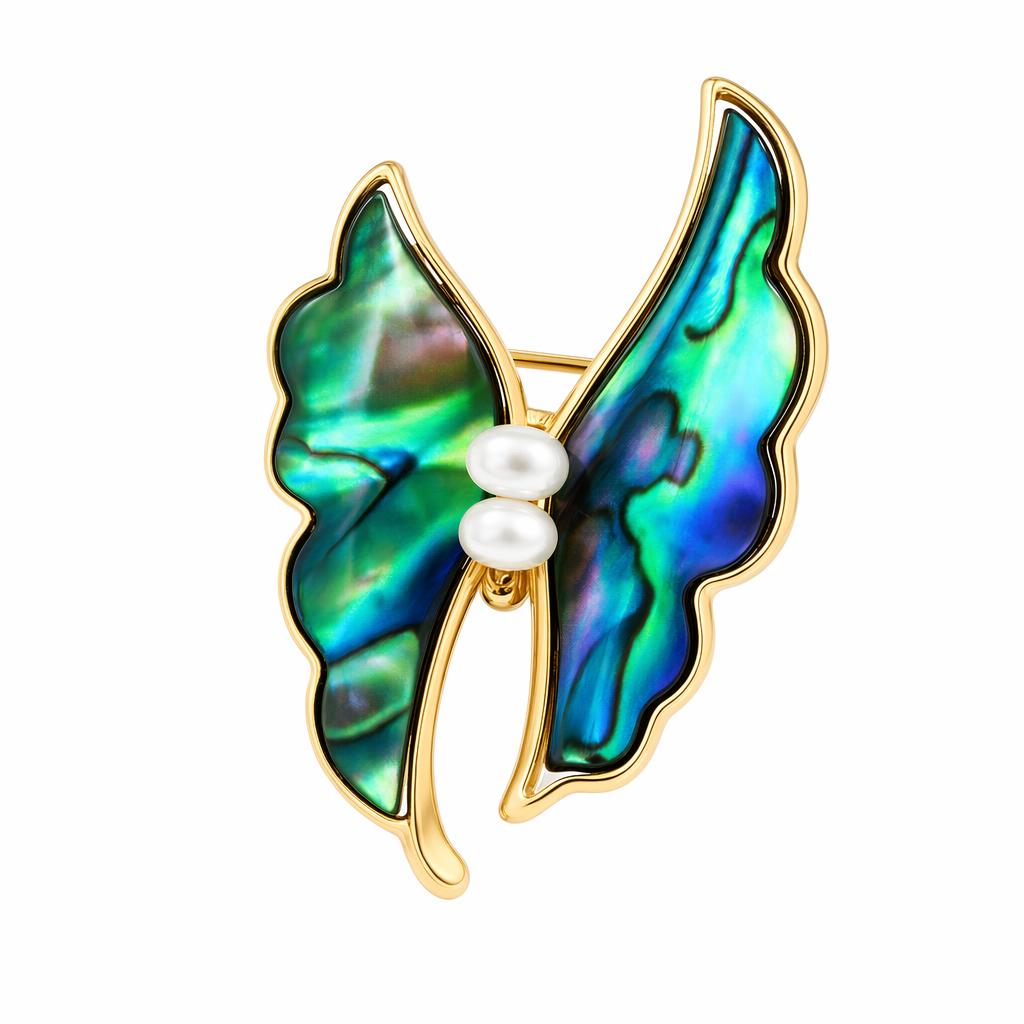
The Baroque Pearl Brooch category from Imfuduola serves the bridal economy most directly at the accessories level: brooches and pins are increasingly incorporated into wedding guest attire, bridal party styling, and wedding photography props in ways that generate both direct purchase and gift-purchase occasion demand. The Baroque Pearl Brooch, with its irregular pearl form and distinctive artisanal character, serves the wedding photography prop and keepsake accessory subcategory of the bridal economy.
The Seasonal Calendar: Mapping the Occasion Jewelry Revenue Cycle
The occasion jewelry revenue cycle has specific and predictable peaks that B2B buyers can design their inventory architecture around. The Q1 peak (January-March) is driven by Valentine’s Day gift purchasing and Chinese New Year occasion gifting. The Q2 peak (April-June) is driven by graduation season, spring wedding season, and Mother’s Day gifting. The Q3-Q4 peak (September-December) is the strongest occasion cycle in most markets, driven by wedding season, holiday gift purchasing, and the New Year’s Eve celebration occasion.
For B2B buyers, the strategic requirement is to build occasion inventory positioning 8-12 weeks before each peak — which means that the ordering cycle for Q4 holiday bridal and occasion jewelry must begin in July-August, not September. Buyers who order in September are ordering at peak occasion prices and receiving inventory that arrives after the peak demand has already passed.
The Anniversary and Milestone Subcategory
Beyond the wedding cycle, the anniversary and milestone jewelry subcategory represents one of the most consistent and predictable repeat-purchase categories in fashion jewelry wholesale. The anniversary pearl necklace — a pearl piece commemorating a relationship milestone — is a category that generates repeat purchase behavior because it is specifically tied to an annual occasion that recurs predictably. Buyers who have built anniversary subcategory positions with consistent pearl necklace and bracelet SKUs generate reliable annual reorder revenue from retail accounts who know they can count on anniversary cycle purchasing from their customer base.
For B2B buyers building occasion jewelry category depth, the strategic recommendation is to invest in coordinated set positioning: pieces that are designed to be given as occasion gifts, with presentation packaging, occasion-specific marketing materials, and price architecture that supports gift-purchasing at multiple price points. Imfuduola’s pearl necklace, brooch, and bracelet ranges provide the occasion-ready category architecture that supports this coordinated set strategy.