

Blog
The Layering Economy: How Stackable Jewelry Sets Are Quietly Generating the Highest Same-Store Repeat Purchase Rate in Fashion Jewelry Wholesale

In the fashion jewelry wholesale market, the most commercially significant category development of the past two years has not been a material trend, a design trend, or a price-point shift. It has been a structural purchasing behavior change: the systematic migration of fashion jewelry purchasing from single-SKU selections to coordinated multi-piece sets. For B2B buyers who have positioned for this shift, the result has been a consistent and measurable uplift in average order value, repeat purchase rate, and retail shelf dwell time. For buyers who have not adjusted their category architecture for the layering economy, the result has been margin erosion and lost shelf space to competitors who understood the structural shift faster.
Why Layering Became a Structural Behavior, Not a Trend
Fashion jewelry layering did not emerge from a runway show or a designer collection. It emerged from social media visual grammar: the visual language of Instagram, TikTok, and Pinterest that rewards layered, curated, multi-piece jewelry displays because they photograph better and generate more engagement than single-piece jewelry shots. Once this visual grammar became the dominant mode of jewelry presentation on social media, it transformed into a purchasing behavior — because consumers who are exposed to layered jewelry as the default visual presentation of jewelry begin to perceive single pieces as incomplete looks rather than standalone purchases.
The commercial consequence of this perceptual shift has been profound. Retail buyers who track sell-through data report that multi-piece layered looks generate 35-45% higher conversion rates than single-SKU equivalents, and that customers who purchase layered sets return for additional coordinating pieces at significantly higher rates than customers who purchase single pieces. The layering economy is not a trend — it is a structural consumer behavior change that B2B buyers must design their category architecture to serve.
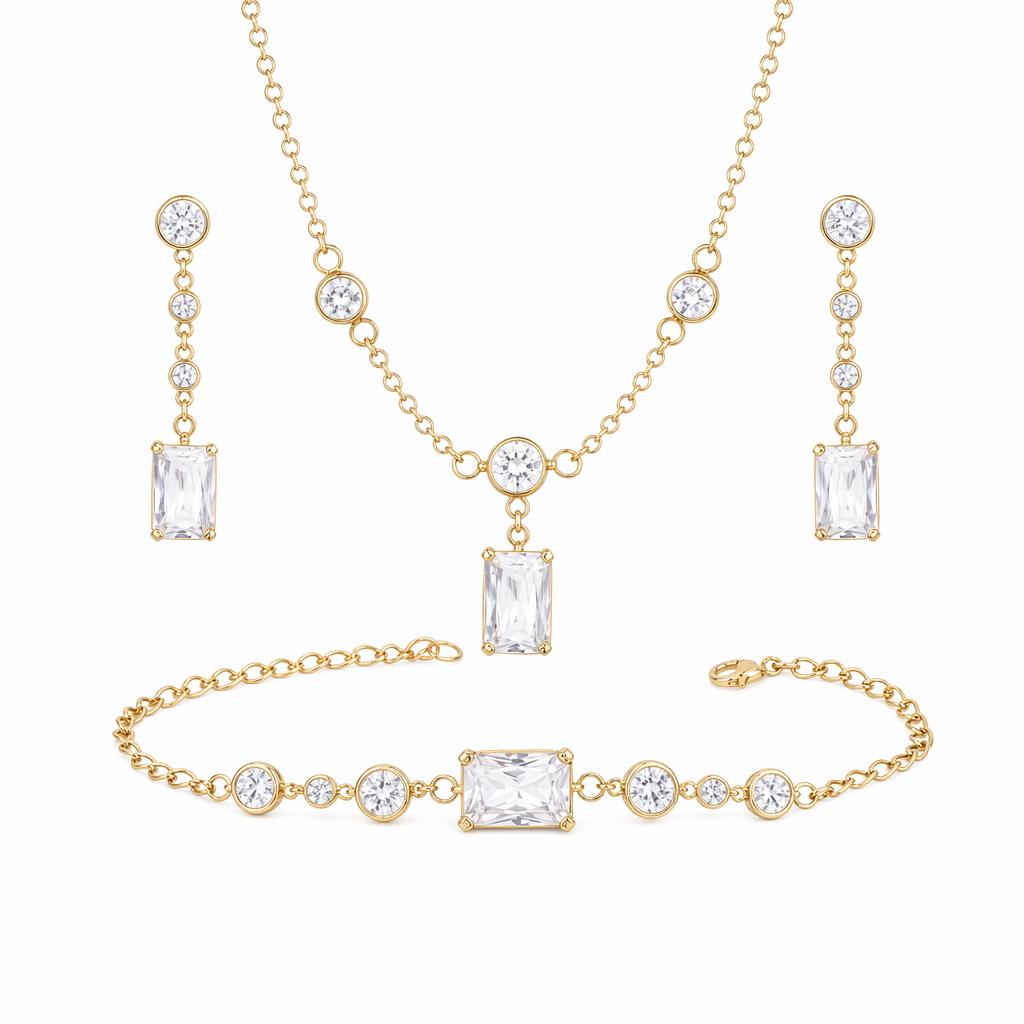
The Pearl Bracelet Category: Built for the Layering Economy
Pearl jewelry has inherent structural advantages in the layering economy that no other jewelry material matches. The Pearl Beaded Strand Bracelet and the Pearl Charm Bracelet from Imfuduola are specifically positioned for buyers who are building layering-optimized category depth: they deliver the classic pearl aesthetic that coordinates naturally with pearl necklaces, pearl earrings, and pearl brooches, while their bracelet form factor provides the layering anchor that allows consumers to build visible wrist-layering looks.
The Freshwater Pearl Beaded Bracelet in the Buddhist Meditation Malas style represents the layering economy’s spiritual and wellness-adjacent subcategory: it layers naturally with minimalist chains and delicate rings, serving the wellness lifestyle aesthetic that generates strong engagement in yoga, meditation, and holistic wellness retail channels.
Building a Layering Category Architecture
The B2B buyers who have captured the most layering economy value have done so by building material-family depth: stocking sufficient Pearl Beaded Strand Bracelet SKUs to allow retailers to build complete layered look displays, sufficient Pearl Necklace Choker SKUs to provide the neck layering anchor pieces, and sufficient Pearl Stud Earring SKUs to complete the layered ear look. This material-family depth allows retailers to present complete layered jewelry looks rather than individual pieces — and complete looks sell at significantly higher rates than individual pieces.
For B2B buyers building category strategy for the layering economy, the operational requirement is style一致性 across material families: the pearl finish on the bracelet must visually match the pearl finish on the necklace and earrings, because consumers who are building layered looks are doing so because they want visual coherence, and material inconsistency across coordinating pieces breaks the layered look effect that drives purchase motivation.