
Blog
The S925 Sterling Silver Standard: How Hypoallergenic Education Is Becoming the Most Powerful Retail Conversion Tool in Fashion Jewelry Wholesale

In the fashion jewelry wholesale market, the single most consistent reason for product returns, negative reviews, and lost retail accounts is not price, design, or quality craftsmanship. It is material compatibility: jewelry that causes skin discoloration, allergic reaction, or irritation in a meaningful percentage of wearers. For B2B buyers who have built category positions with strong hypoallergenic credentials, this return-and-review dynamic has become a significant competitive differentiator — and the S925 sterling silver standard is at the center of that differentiation strategy.
Why the S925 Standard Became Non-Negotiable
The S925 designation — 92.5% pure silver, with 7.5% copper or other alloy for durability — has become the baseline material standard in fashion jewelry for a specific and commercially important reason: it is the minimum silver purity level that reliably qualifies as hypoallergenic for the majority of consumers with nickel and base-metal sensitivities. Below S925, silver jewelry increasingly causes the skin reactions that generate returns, negative reviews, and the account churn that erodes B2B buyer-retailer relationships over time.
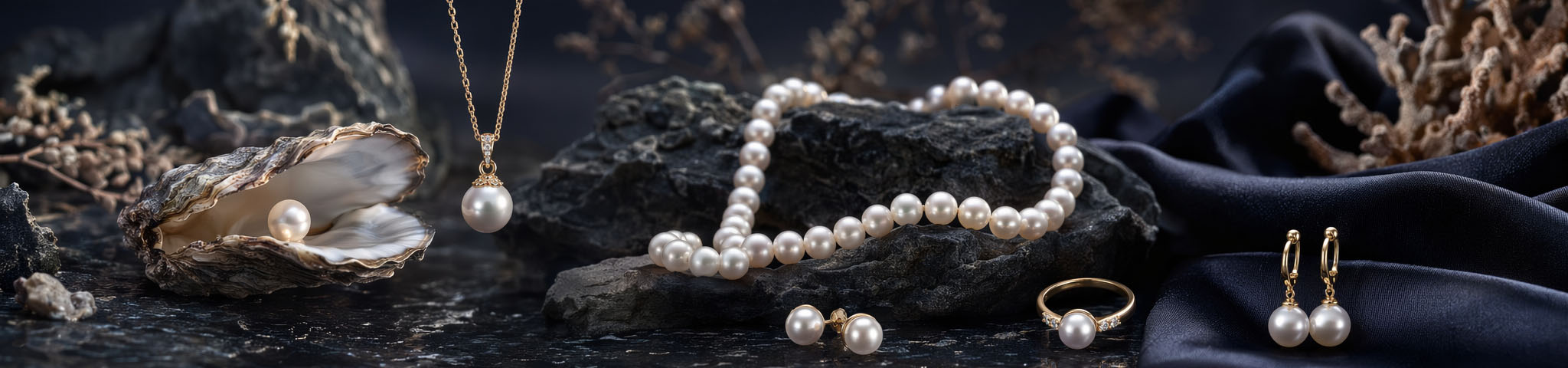
The Freshwater Pearl Stud Earrings with S925 Sterling Silver Post from Imfuduola are specifically positioned for buyers who understand this hypoallergenic standard: the S925 silver post is not merely a quality claim, it is a specific material specification that eliminates the nickel-allergy reaction pathway that generates the majority of fashion jewelry returns in the ear jewelry category.
The Nickel-Free Subcategory: Beyond S925 to Full Nickel Exclusion
For an increasing segment of the consumer population, S925 silver alone is not sufficient hypoallergenic protection. These consumers require fully nickel-free jewelry — pieces where no component, including clasps, earring backs, and joining wires, contains any nickel alloy. This nickel-free subcategory commands premium pricing and generates exceptional retail sell-through among consumers who have learned to identify and seek out nickel-free credentials as a non-negotiable purchase requirement.
The Wire Wrapped Tourmaline Pearl Ring represents a construction category where nickel-free materials require specific supply chain attention: wire wrapping techniques often use nickel-containing base metals in the wire core, and buyers sourcing wire-wrapped pieces must verify nickel-free certification at the component level, not merely at the visible surface level.
Using Hypoallergenic Education as a Retail Conversion Tool
The B2B buyers who have most successfully monetized hypoallergenic material credentials have done so by translating material specification into consumer-facing retail education: providing retailers with point-of-sale materials that explain why S925 silver and nickel-free construction matters, what allergic reactions to base metals look like, and how to identify hypoallergenic pieces in a product catalog. This educational approach converts a material specification into a consumer demand — because consumers who understand why hypoallergenic jewelry is better for them actively seek it out and pay premium prices for it.
For B2B buyers building fashion jewelry category positions, the strategic recommendation is to lead with S925 sterling silver ear jewelry as the hypoallergenic category anchor, because ear piercing jewelry is the category where nickel sensitivity is most prevalent and where hypoallergenic credentials most directly drive purchase conversion. Imfuduola’s S925 sterling silver earring range provides the category foundation for exactly this buyer education and retail conversion strategy.