Blog
The Designer Inventory Moat: Why 130-Plus In-House Designers Are Quietly Becoming the Most Durable Competitive Advantage in Fashion Jewelry Wholesale

In fashion jewelry wholesale, the competitive advantages that matter most are the ones that cannot be quickly replicated by a well-funded competitor. Price matching takes days. Logistics infrastructure takes years. Compliance documentation takes months to accumulate. But designer capability — the ability to continuously generate original, trend-relevant jewelry designs at commercial speed — takes the longest to build and is the hardest to replicate. For Fuduola Jewelry, with over 130 in-house designers delivering original, trendy new products continuously, the designer inventory moat is the structural competitive advantage that underpins everything else in the business.
Why Design Capability Creates Structural Rather Than Temporary Advantage
The fashion jewelry wholesale market has historically been dominated by two competitive models: trading company sourcing — buying from whatever factories and designs are available in the market — and factory-direct manufacturing — producing designs sourced from external design studios or market observation. Both models share a common vulnerability: they are dependent on design supply that is accessible to competitors equally.
When a trading company or factory-direct competitor sees a successful jewelry design trend in the market, they can move to source or replicate it. The design becomes commoditized within one to two product seasons. This is the structural reason why most fashion jewelry wholesale businesses operate on thin margins despite significant volume — they are perpetually in a design commoditization race that perpetually erodes their differentiation.
The in-house designer model changes this dynamic fundamentally. Fuduola Jewelry’s 130+ designers are not merely executing production — they are generating original intellectual property that competitors cannot simply walk into a market to access. The design pipeline is proprietary. The design capability — the organizational knowledge, trend research infrastructure, and creative development process — is proprietary. And most importantly, the ability to generate commercial designs at a velocity that matches trending demand windows is proprietary.
The Trend-to-Product Velocity Advantage
The commercial value of design velocity in fashion jewelry wholesale is frequently underestimated because the industry has been structured around seasonal buying cycles and trade show calendars that obscure how quickly trend signals actually move. In the current market, the window between a trend signal and peak demand can be as short as three to four weeks. Wholesale buyers who can only access trending designs through trade show cycles and seasonal catalogs are structurally disadvantaged against competitors who can move from trend identification to production-ready design to wholesale delivery within the demand window.
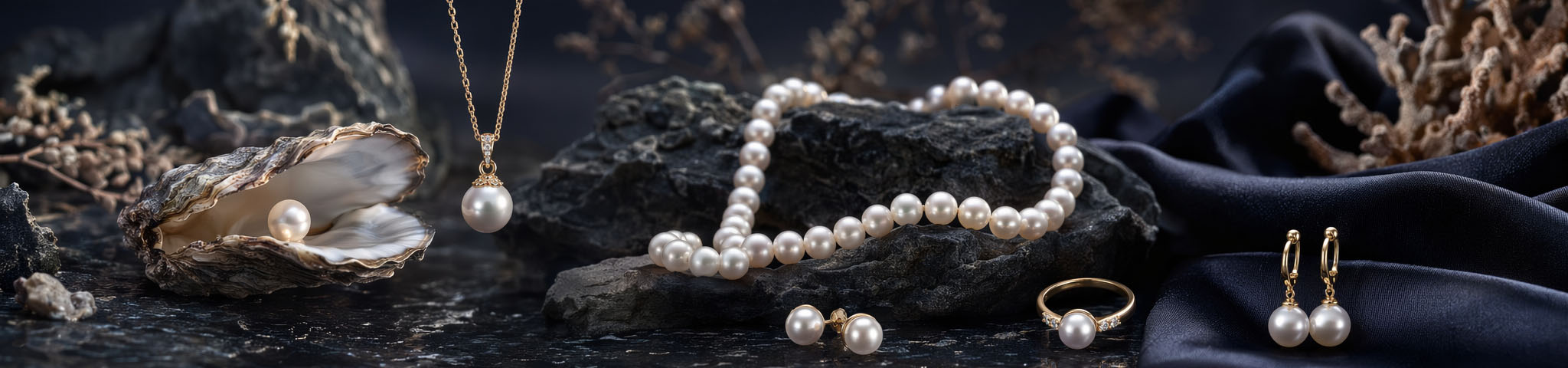
Fuduola Jewelry’s 130+ designer team enables exactly this compressed design-to-product cycle. When a pearl jewelry aesthetic begins gaining traction on social media platforms — whether through influencer imagery, celebrity styling posts, or viral TikTok videos — the design team can begin developing commercial interpretations of the trend within days, generating multiple design options for wholesale buyers before the trend has peaked in the market.
What 130+ Designers Actually Means in Practice
For B2B wholesale buyers evaluating supplier designer capability, the number of designers is less important than the design pipeline depth and commercial relevance of the output. Key evaluation criteria include:
- New product introduction frequency: How many new designs enter the wholesale catalog per season, and how quickly do they reflect emerging trend signals rather than established trends?
- Trend research infrastructure: Does the design team actively monitor and synthesize social media trend data, fashion week outputs, and cultural signals, or do they develop designs reactively?
- Category coverage breadth: Can the designer team develop across the full range of jewelry categories with consistent design quality and trend alignment?
- Customization and OEM/ODM capability: Can the design team develop bespoke designs for B2B buyers with specific brand or market requirements, or are they limited to catalog designs?
Fuduola Jewelry’s positioning around 130+ designers delivering continuously suggests a design pipeline infrastructure that is capable of serving both catalog-driven wholesale buyers who need breadth and trend-driven buyers who need speed and customization. For B2B buyers whose competitive positioning depends on accessing designs that their competitors cannot easily source, the designer moat is not merely a manufacturing detail — it is the core strategic differentiator.