
Blog
The S925 Sterling Silver Standard: Why Quality Settings Are Now the Deciding Factor Between a $15 and a $150 Pearl Product

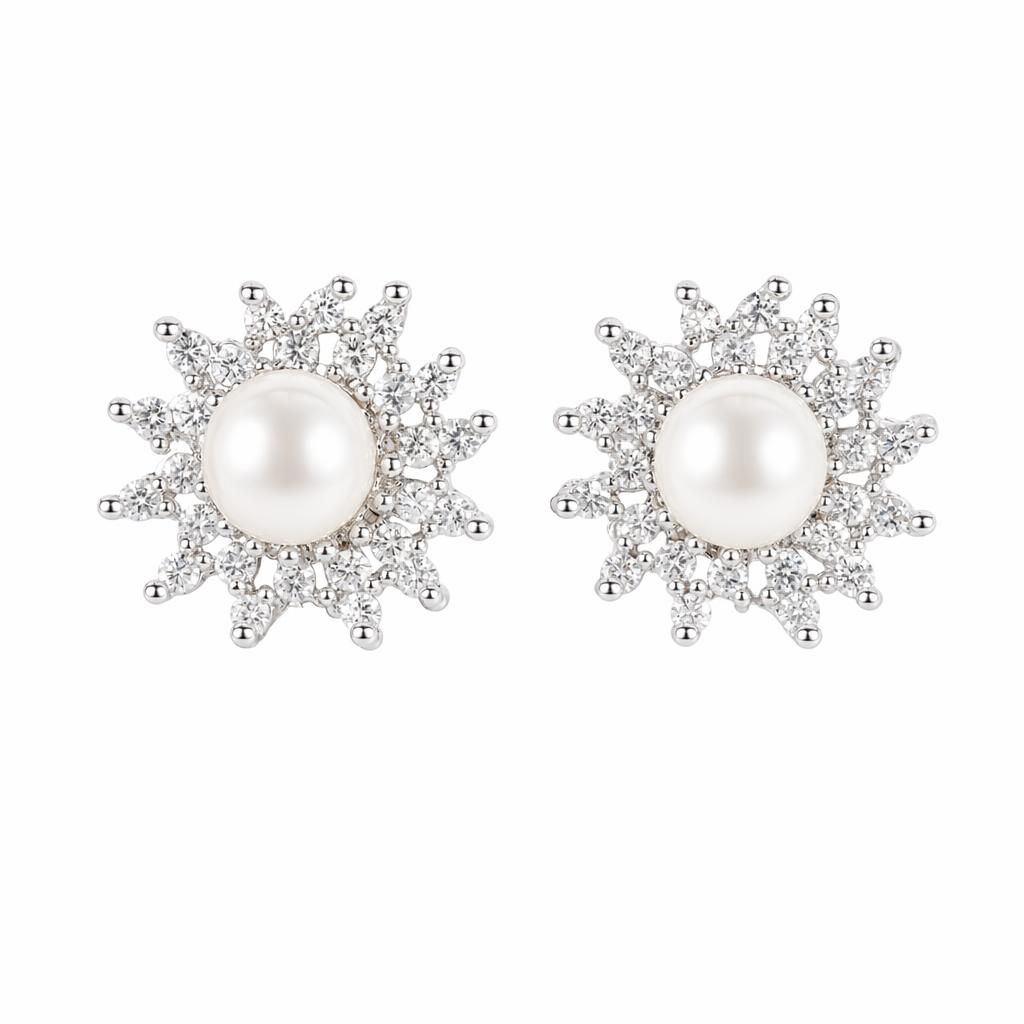
In the freshwater pearl jewelry wholesale market, a price war has been quietly underway for years — a race to the bottom on base metal quality that has produced an extraordinary proliferation of pearl jewelry products priced at $8, $10, and $12 wholesale, using gold-plated brass or zinc alloy settings that tarnish, discolor, and cause allergic reactions at rates that are quietly destroying consumer trust in the category. Against this backdrop, S925 sterling silver settings have emerged not merely as a quality preference but as a commercial positioning strategy — and the data on consumer willingness to pay premium for genuine S925 pearl jewelry is compelling every serious wholesale buyer to reconsider their sourcing standards.
Deconstructing the Price Gap: What Separates a $15 Pearl Product from a $150 Pearl Product
The retail price disparity between budget pearl jewelry and premium pearl jewelry is frequently attributed to pearl quality differences — and in some cases, that attribution is accurate. But a significant portion of the $15-vs-$150 retail gap in the pearl jewelry market is explained entirely by setting quality, not pearl quality. A 6mm freshwater pearl of reasonable luster costs roughly the same whether it is set in a gold-plated brass ring shank or an S925 sterling silver band. The $30 to $80 difference in retail price that separates these two products is overwhelmingly attributable to the setting material — and increasingly, informed consumers know this.
The downstream consequences of the budget setting approach are severe. Jewelry retailers carrying plated-metal pearl jewelry report return rates of 12-18% on these products, driven primarily by chain breakage, pearl loss due to weakened settings, allergic skin reactions, and premature tarnishing. At a 15% return rate, even a $25 average retail price point generates a net margin that is often negative after accounting for return processing costs, shipping, and customer service handling.
The Consumer Education Inflection Point
Consumer awareness of jewelry metal quality has reached an inflection point driven by three converging forces: the proliferation of jewelry education content on social media platforms, the growth of jewelry review communities that systematically document quality failures, and the direct-to-consumer expansion of jewelry brands that prominently feature material quality as a core brand differentiator.
Today’s jewelry consumers — particularly in the 18-35 age demographic that drives the current pearl jewelry demand surge — are increasingly familiar with the difference between S925 sterling silver, gold-filled, gold-plated, and alloy base metals. They ask retail associates what the setting material is. They read product reviews specifically looking for reports of tarnishing and skin reactions. They share photographs of jewelry quality failures in ways that generate significant social amplification of negative experiences with specific brands and products.
The Wholesale Buyer Quality Decision: Why S925 Standard Pays for Itself
For wholesale buyers and jewelry importers, the commercial case for S925 sterling silver as the baseline standard across all pearl jewelry products is increasingly unambiguous. The return rate differential between S925 pearl products and plated/brass alternatives is typically 3-5% versus 12-18% — a gap that alone justifies the higher per-unit landed cost through reduced return processing expense. Beyond the return rate advantage, S925 pearl products generate significantly higher sell-through rates at retail — because consumers who pay more for a piece also value it more and are less likely to return it for minor dissatisfaction reasons.
The retail margin story is equally compelling. S925 pearl jewelry retails at price points 40-100% higher than equivalent-plated alternatives, while the manufacturing cost differential is typically 15-30%. The resulting margin expansion significantly exceeds the cost premium — making S925 pearl jewelry not just a quality choice but a superior financial outcome for every participant in the supply chain.
Fuduola’s S925 Standard: Manufacturing Integrity as a Commercial Proposition
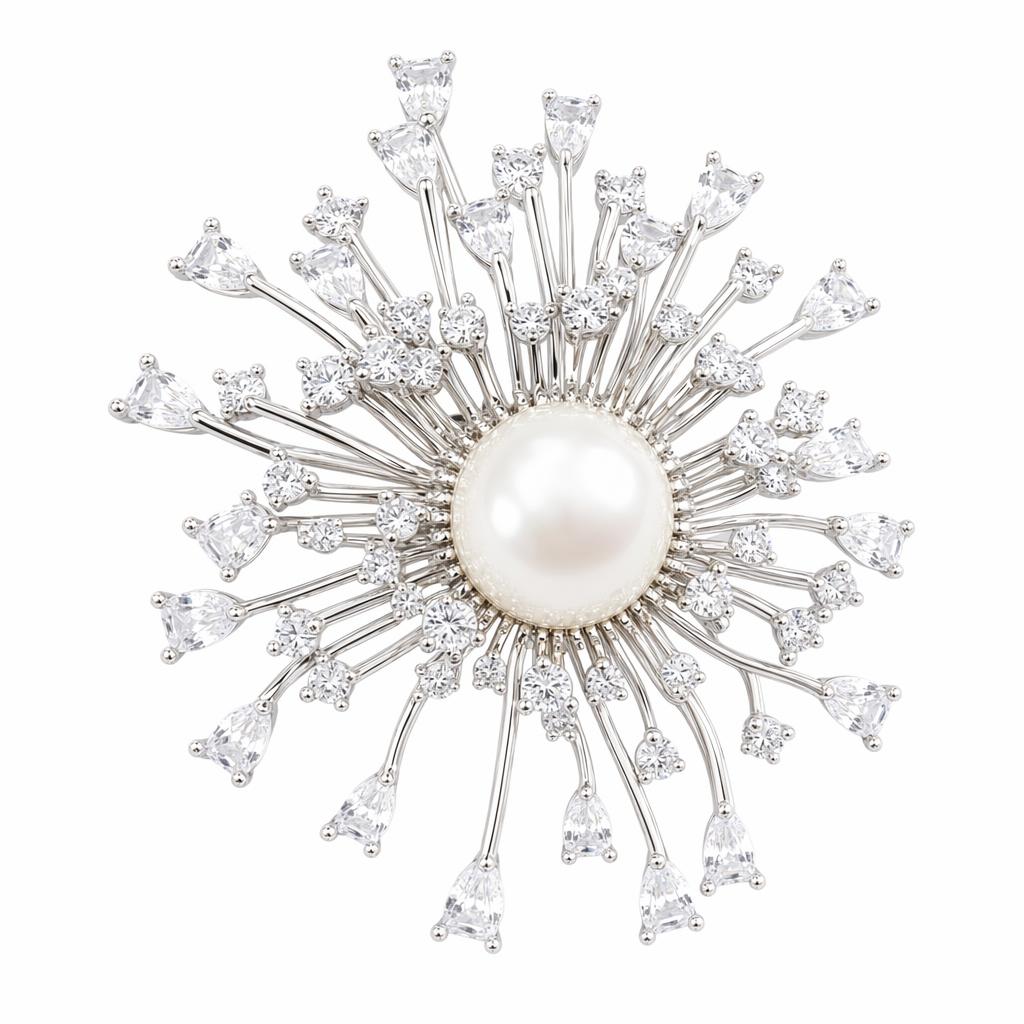
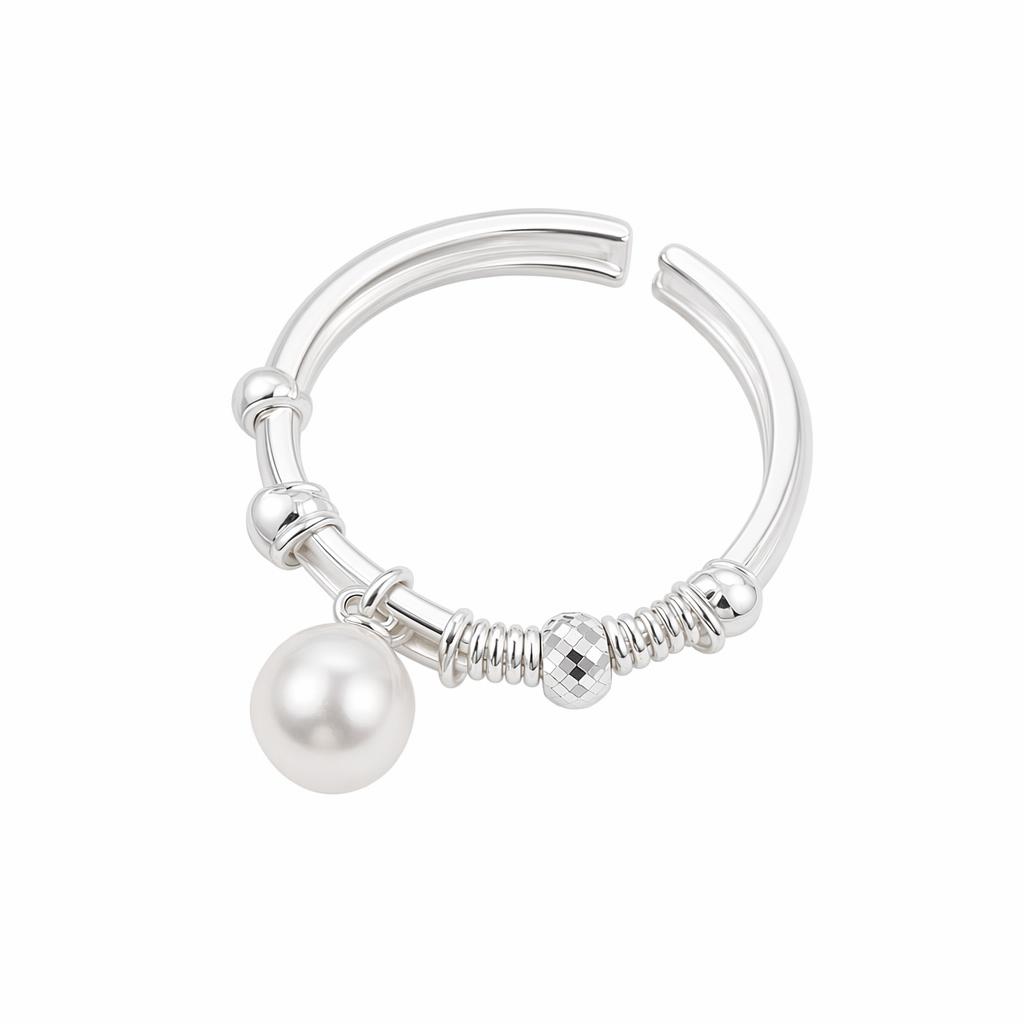
Fuduola’s commitment to S925 sterling silver as the baseline standard across all freshwater pearl jewelry products — from entry-level stud earrings through premium baroque pearl statement pieces — is not a quality aspiration. It is a commercial proposition. Every product in the Fuduola pearl jewelry catalog uses S925 silver settings, clasps, chains, and findings. This standard is maintained at every price point and across every product category — necklaces, pendants, earrings, brooches, rings, and bracelets.
For wholesale buyers sourcing from Fuduola, this means the quality conversation with retail partners is already won at the sourcing stage. Retail buyers do not need to be convinced that S925 is the right standard — Fuduola ships every order with that standard as the baseline expectation, eliminating the need for expensive and relationship-damaging quality negotiations after delivery.
The Market Structure Argument: Quality Standards as Barrier to Competition
Perhaps the most underappreciated strategic benefit of maintaining S925 quality standards in pearl jewelry sourcing is the competitive moat it creates against low-cost competitors. The retailers and brands that have built their pearl jewelry reputation on S925 quality standards are not easily displaced by lower-cost competitors using inferior materials — because their customer base has been educated to expect quality, and that expectation is reinforced every time they wear a piece that maintains its appearance over years rather than months.
Wholesale buyers who partner with Fuduola on S925 pearl jewelry programs are building that same competitive moat for their retail partners — a supply relationship that is difficult to commoditize because the quality standard it represents cannot be easily matched by price-focused competitors using plated or alloy alternatives. In a market where the Pearl Renaissance is driving new demand from an increasingly quality-aware consumer base, that moat is worth more every season.