
Blog
The Fashion Jewelry Repair and Maintenance Handbook: How B2B Wholesale Buyers Can Help Retail Customers Reduce Returns and Increase Re-Use

Fashion jewelry, despite its accessible price point, represents a meaningful investment for many consumers—and helping retail customers understand how to maintain and repair their fashion jewelry builds customer loyalty, reduces return rates, and positions your brand as a quality-focused resource rather than a disposable commodity seller.
Understanding Fashion Jewelry Failure Modes
Fashion jewelry fails in predictable ways that inform maintenance and repair requirements:
Chain breakage:
Chain links can break due to fatigue from repeated flexing, physical impact, or inherent material weakness. Soldering repairs can restore broken chains—but the repaired link is often weaker than the original. Quality chain construction (proper link thickness, adequate solder) reduces but doesn’t eliminate chain breakage.
Stone loss: Stones can become loose or fall out due to impact damage to settings, gradual prong wear, or adhesive failure. Regular inspection and maintenance can identify loose stones before they are lost. Some stone losses can be repaired by re-setting or re-adhering the stone.
Plating wear: Gold-plated and rose gold-plated jewelry eventually wears through to the base metal, changing the item’s appearance. Plating wear is accelerated by contact with sweat, perfume, cleaning products, and abrasive surfaces. Re-plating can restore worn items but requires specialist services.
Tarnish and oxidation: Copper-containing alloys (brass, bronze, some sterling silver alloys) can tarnish—developing a dark patina on the metal surface. Tarnishing is accelerated by humidity, sulfur exposure, and body chemistry. Polishing can remove tarnish but gradually removes metal with each cleaning.
Maintenance Best Practices for Different Metal Types
Different metal types require different maintenance approaches:
Gold-plated jewelry care: Gold-plated items should be wiped clean with a soft cloth after wearing. Avoid exposure to water, perfume, and chemicals. Store separately to prevent scratching. Do not use abrasive cleaners or polishing cloths on plated surfaces, as these remove the plating.
Sterling silver care: Sterling silver jewelry can be cleaned with silver polishing cloths or specialized silver cleaning solutions. For tarnish removal, silver dips can be effective but should be used sparingly and followed by thorough rinsing. Anti-tarnish strips in storage containers slow tarnish formation.
Brass and bronze care: Unlacquered brass and bronze develop a natural patina that many wearers appreciate. If a bright finish is desired, occasional polishing with brass cleaner restores the original appearance. Sealed or lacquered brass maintains its finish without polishing.
Repair Services and Warranty Considerations
B2B buyers should understand the repair ecosystem for fashion jewelry:
Common repair types: The most common fashion jewelry repairs include chain soldering, stone re-setting, clasp replacement, and re-plating. Most jewelry repair requires specialized equipment and skills that are beyond routine maintenance but don’t require the full capabilities of a jewelry manufacturing workshop.
Warranty and repair policies: B2B buyers should establish clear policies about warranty coverage and repair services. Standard fashion jewelry warranties typically cover manufacturing defects but not wear-related failures. Extended warranty programs can provide revenue opportunity while building customer loyalty.
Repair service sourcing: Many markets have local jewelry repair services that handle fashion jewelry repairs at reasonable cost. B2B buyers serving retail customers can build relationships with repair services to offer repair referral recommendations to their retail customers.
The Sustainability Angle: Extending Jewelry Lifespan
Fashion jewelry maintenance and repair connects to broader sustainability considerations:
Circular economy in fashion jewelry: Extending the useful life of fashion jewelry reduces the environmental impact per wearing occasion. Items that are maintained and repaired rather than discarded represent a more sustainable consumption pattern.
Quality signaling: Brands and retailers that offer maintenance guidance and repair services signal quality and customer care—differentiating themselves from commodity sellers who treat jewelry as disposable.
Return rate reduction: Many fashion jewelry returns result from damage during wear rather than quality defects. Providing maintenance guidance helps customers understand that some wear is normal—and reduces unnecessary returns driven by unrealistic expectations.
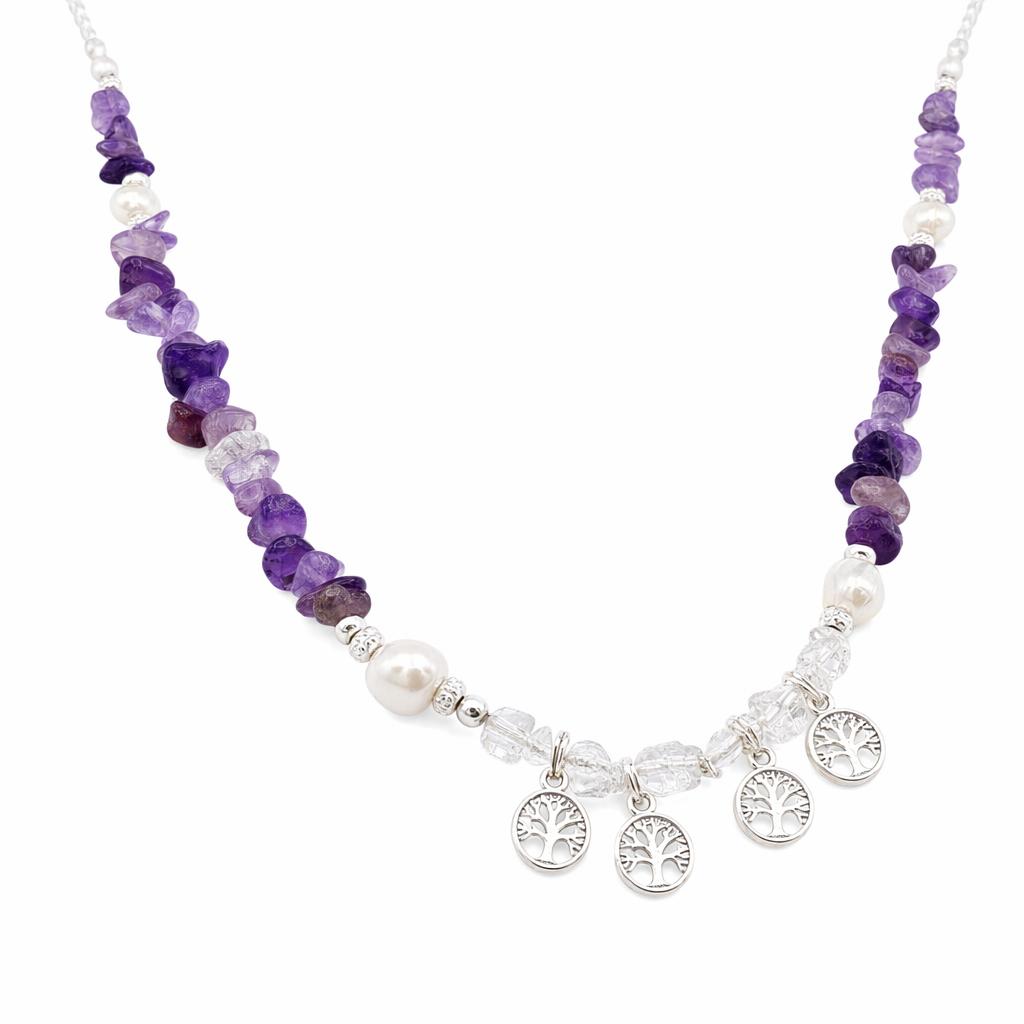
IMFuduola.com supports B2B fashion jewelry wholesale buyers with quality-focused products and maintenance guidance resources. Contact us to discuss fashion jewelry maintenance and repair requirements.