
Blog
The Fashion Jewelry Trend Forecasting and Buying Calendar Handbook: How B2B Wholesale Buyers Can Build Trend-Responsive Assortments

Fashion jewelry operates on a trend cycle that rewards buyers who anticipate demand shifts and penalizes those who commit inventory to trends after their peak. For B2B wholesale buyers, developing a systematic approach to trend forecasting and buying calendar management is one of the highest-return activities in fashion jewelry sourcing.
Understanding the Fashion Jewelry Trend Cycle
Fashion jewelry trends move through distinct phases, each with different inventory implications:
Trend emergence: New trends first appear in runway shows, celebrity sightings, and influencer content. At this stage, early-adopting brands begin incorporating the trend into their collections. Inventory commitment at this stage carries high risk but also the highest margin potential if the trend reaches mainstream adoption.
Trend acceleration: As a trend gains media coverage and social media momentum, demand accelerates rapidly. This is typically the optimal window for inventory commitment—demand is clearly established but hasn’t yet peaked. Wholesalers who stock trending items during acceleration capture strong margins with moderate risk.
Trend peak: Trends reach peak demand when they appear in mass-market retail and are widely available. At this stage, the market becomes saturated, and margins compress as competition intensifies. Late-committing buyers often find themselves holding inventory as trends begin to fade.
Trend decline: As trends fade, demand contracts. Fashion jewelry’s relatively low price point means that trend-cycled inventory often can’t be carried forward—the costume nature of fashion jewelry means last season’s trends have limited resale value.
Information Sources for Trend Forecasting
Effective trend forecasting requires systematic information gathering from multiple sources:
Fashion week and trade show monitoring: Major fashion weeks (New York, London, Milan, Paris) set the directional trends that flow through the fashion system. Fashion jewelry shown on runways six to twelve months before retail seasons signals the trends that will reach wholesale and retail channels in subsequent seasons.
Celebrity and influencer cultural signals: Celebrity jewelry choices—particularly those that generate social media discussion—provide real-time trend signals. Monitoring which jewelry styles appear in trending social content helps identify emerging trends before they reach trade publications.
Trade publication and forecast service analysis: Industry publications like Vogue, WWD, and specialized jewelry trade publications provide trend forecasting that synthesizes multiple signals into actionable trend predictions. Services like Trendalytics provide data-driven trend analysis specifically for fashion accessories.
Building a Fashion Jewelry Buying Calendar
A well-structured buying calendar aligns inventory commitment with trend cycles:
Pre-season planning (12-8 months before retail): Define overall assortment strategy, establish budget allocations by category and trend tier, and begin concept development for exclusive or private-label items. This is the time to commit to trend-forward items with long lead times.
Early-season buying (8-4 months before retail): Finalize core collection buys based on confirmed trend directions. At this stage, trend directions are clearer but margin opportunity remains good. Focus on core items that will sell through regardless of trend intensity.
Inline season confirmation (4-2 months before retail): Confirm quantities for established lines, add reactive buys based on emerging trend signals from current retail performance, and adjust trend-forward commitments based on early sell-through data.
Close-out and opportunistic buying (2-0 months before retail): Source close-out inventory from other wholesalers or manufacturers. At this stage, pricing can be highly attractive but selection is limited to available inventory.
Balancing Trend and Core Assortment
The optimal fashion jewelry assortment balances trend-driven items with core basics:
Core basics: Classic styles—simple stud earrings, delicate chain necklaces, basic bangle bracelets—sell consistently year over year regardless of trend cycles. These items should represent the stable foundation of the assortment, providing predictable sell-through and supporting overall margin performance.
Trend-driven items: Trend-responsive items carry higher risk but also higher margin potential. The appropriate proportion of trend items depends on the target retail channel—fast-fashion retailers may carry 70%+ trend items; traditional jewelry stores may limit trend exposure to 20-30%.
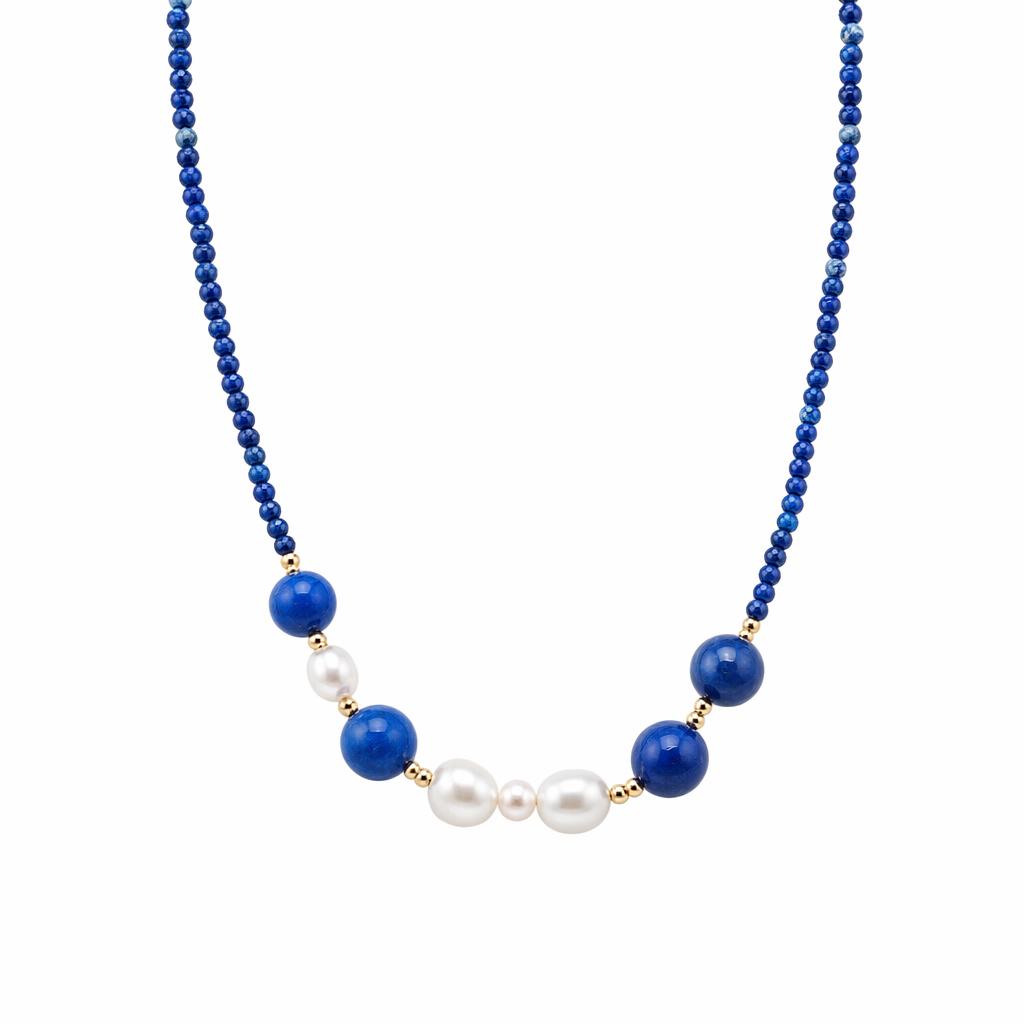
IMFuduola.com supports B2B fashion jewelry wholesale buyers with trend-responsive product development and flexible buying calendar options. Contact us to discuss fashion jewelry trend forecasting and assortment planning.