
Blog
The Intellectual Property Trademark Protection Framework: How B2B Fashion Jewelry Buyers Can Build the Most Legally-Defensible and Brand-Safe Product Assortment Around OEM Design Ownership, Trademarks, and the IP Due Diligence Process That Protects Both Supplier and Buyer From Counterfeit and Knockoff Risk

Intellectual property protection in fashion jewelry wholesale operates on a fundamental asymmetry: the buyer (who markets and sells the jewelry) bears the legal risk if the supplier’s design infringes third-party IP rights, while having the least visibility into whether the supplier’s designs are actually original, licensed, or copied. This asymmetry creates a risk management challenge that most B2B fashion jewelry buyers address inadequately—assuming that IP risk is the supplier’s problem rather than a shared due diligence responsibility. The most commercially sophisticated B2B buyers understand that IP due diligence is not optional legal overhead but a core commercial risk management function that protects their brand, their customers, and their business continuity.
The Three-Layer IP Risk Framework for Fashion Jewelry
Fashion jewelry IP risk operates across three distinct layers:
- Design Originality Risk: The risk that a supplier’s design is copied from another brand or designer—without the supplier having any IP rights to that design. Design originality risk is the most common IP exposure in fashion jewelry and the most difficult to detect without systematic design audit processes. Even suppliers with genuine in-house design teams may inadvertently create designs that infringe third-party design patents or copyrights.
- Trademark Infringement Risk: The risk that a design incorporates trademarked elements (brand logos, protected symbols, licensed character imagery) without authorization. Trademark infringement in fashion jewelry commonly involves: luxury brand logo lookalikes, sports team trademarks, university seals, and character licensing violations. These violations often appear in catalogue products that seem innocuous until a legal notice arrives.
- Cultural/Traditional Knowledge Risk: The risk that designs incorporating culturally significant elements (traditional patterns, religious symbols, indigenous craft techniques) are used without appropriate community consent or benefit-sharing arrangements. This risk category is increasingly enforced in EU and US markets and carries both legal and reputational risk for buyers.
The OEM vs.ODM IP Ownership Clarification
Before placing any OEM order, B2B buyers must clarify design ownership:
- OEM Orders: Buyer provides the design. Buyer owns the IP. The supplier manufactures to buyer’s specification without any independent design claim. OEM orders offer maximum IP clarity but require buyers to invest in their own design development.
- ODM Orders: Supplier provides the design from their catalogue. Design ownership is typically shared or supplier-owned, with buyers receiving a non-exclusive license to use the design or an exclusive license for specific markets/channels. ODM orders offer convenience but create IP ambiguity that can result in exclusivity violations.
- Exclusive ODM Arrangements: Some suppliers offer exclusive ODM arrangements where the supplier assigns design rights to the buyer in exchange for volume commitments. These arrangements require explicit contractual IP assignment clauses and should be reviewed by IP counsel before execution.
- Trademark License Verification: If your brand name or trademark is used on supplier-manufactured jewelry, verify that the supplier has explicit authorization to apply your trademark to products—and that this authorization is documented in a trademark license agreement rather than assumed from the purchase relationship.
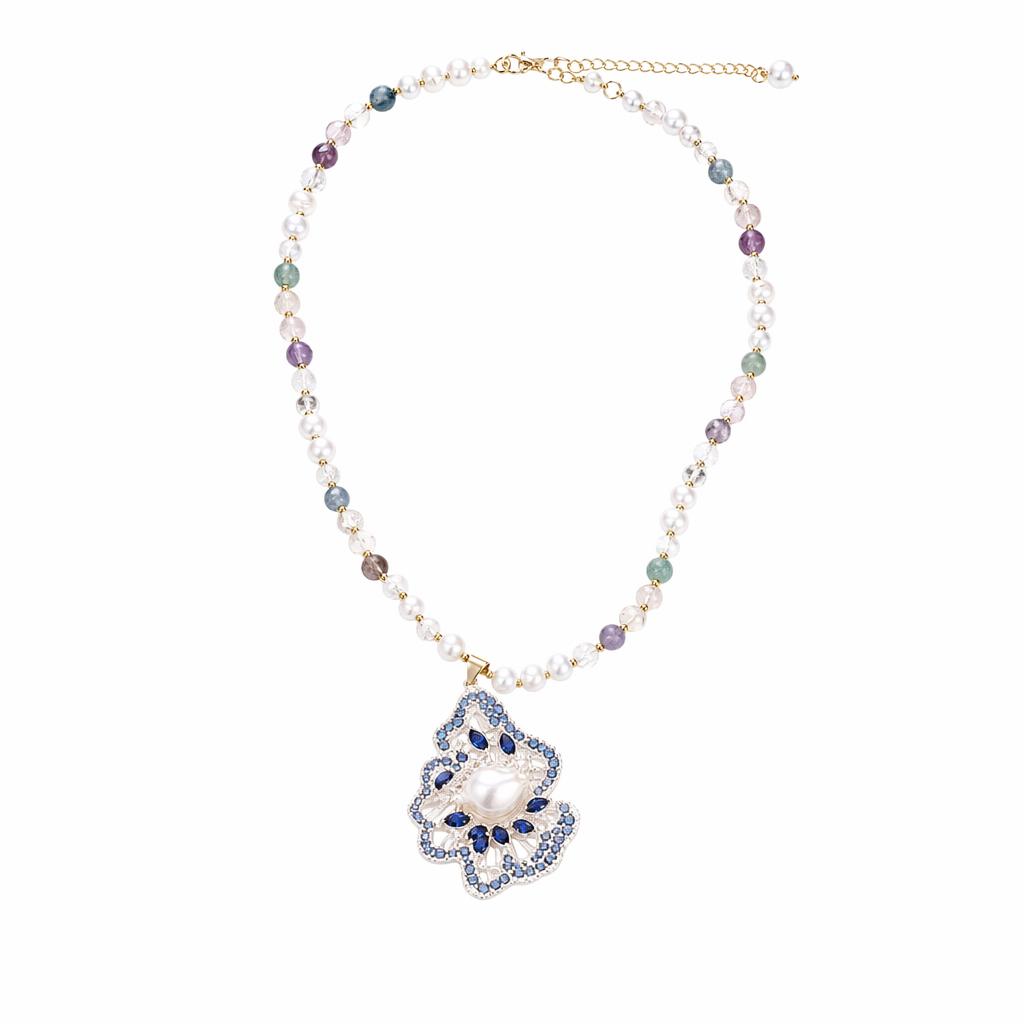
Fuduola Jewelry’s Pearl Necklace Choker—Fashion Versatile Women Chain Trendy Layering Jewelry—exemplifies the original design IP category: the versatile layering design is an in-house developed aesthetic that avoids third-party design overlap, the Y2K choker silhouette reflects original design direction rather than catalogue replication, and Fuduola’s 130+ in-house designer capacity provides the design originality infrastructure that separates original-design suppliers from catalogue-sourcing competitors.
The IP Due Diligence Process for B2B Buyers
Systematic IP due diligence should precede every new supplier relationship:
- Design Audit Request: Ask suppliers to provide design origin documentation—sketch-to-product development records, design team credentials, and any third-party design audits conducted. Suppliers with genuine design capability can typically provide this documentation; suppliers operating purely from catalogue replication typically cannot.
- Trademark Clearance Search: Before listing any new jewelry product, conduct a trademark clearance search in your target market. The US Patent and Trademark Office (USPTO), EU Intellectual Property Office (EUIPO), and China National Intellectual Property Administration (CNIPA) all offer free online trademark search tools.
- Supplier IP Warranty Requirement: Include explicit IP warranties in your purchase contracts: supplier warrants that all designs are original or properly licensed, that designs do not infringe third-party IP rights, and that supplier will indemnify buyer against any IP claims arising from the supplied products.
- Insurance Coverage Verification: Verify that your business liability insurance and product liability insurance explicitly cover IP infringement claims. Many policies exclude IP claims by default—requiring specific IP indemnity coverage endorsements.
Conclusion: IP Due Diligence Protects the Buyer, Not Just the Brand
B2B fashion jewelry buyers who recognize that IP risk is asymmetric (the buyer bears legal risk while having least visibility into design origin) build systematic IP due diligence processes that protect their business from infringement claims, supply chain disruption, and brand damage. The buyers who invest in IP due diligence once per new supplier relationship avoid the legal costs, supply chain interruptions, and reputational damage that IP infringement claims generate.
Source IP-protected original-design fashion jewelry from Fuduola Jewelry’s 130+ in-house design team with full design originality documentation at www.imfuduola.com.