

Blog
The Jewelry Packaging Sustainability and EPR Compliance Category: How B2B Fashion Jewelry Buyers Can Build the Most Environmentally-Compliant and Retailer-Differentiated Product Assortment Around Sustainable Packaging, EU Packaging Regulations, and the Extended Producer Responsibility Requirements That Are Quietly Becoming Mandatory in European Fashion Jewelry Markets

Extended Producer Responsibility (EPR) regulations have transformed packaging from a peripheral cost item into a core compliance obligation for fashion jewelry businesses serving European markets. France’s AGEC Law (Anti-Waste for Circular Economy), Germany’s Packaging Act (VerpackG), and the EU’s proposed Packaging and Packaging Waste Regulation (PPWR) are collectively establishing mandatory packaging sustainability standards that affect every business that places packaged jewelry products on the European market. For B2B fashion jewelry buyers, EPR compliance is no longer optional—it is a market access requirement that determines whether their products can legally reach consumers in Europe’s 450 million-person jewelry market. Understanding EPR frameworks and building sustainable packaging compliance into product assortments has become a core commercial competency for internationally-focused fashion jewelry buyers.
The EU Packaging Regulatory Framework for Jewelry
European packaging regulations operate at both EU and member-state levels:
- EU PPWR (Packaging and Packaging Waste Regulation): The proposed EU-level regulation establishing harmonized packaging sustainability requirements across all 27 member states. Key requirements relevant to jewelry: mandatory recycled content minimums (by 2030, jewelry packaging must contain minimum 10% recycled plastic, 25% by 2040), mandatory recyclability requirements (all packaging must be recyclable by 2030), and restrictions on unnecessary packaging formats.
- France AGEC Law: France’s landmark circular economy law established the most comprehensive packaging regulations in Europe. Requirements include: Triman logo mandatory on all recyclable packaging, digital product passport requirements for certain packaging types, and prohibitions on unnecessary single-use packaging elements.
- Germany VerpackG: Germany’s packaging law requires all businesses placing packaged products on the German market to register with LUCID (the central packaging register) and meet mandatory packaging collection and recycling quotas. Jewelry products sold to German consumers require VerpackG compliance documentation.
- Spain Royal Decree 1055/2022: Spain’s packaging regulations mirror EU PPWR requirements with member-state specific registration and reporting requirements for jewelry packaging compliance.
The Jewelry Packaging Sustainability Hierarchy
Jewelry-specific sustainable packaging follows a specific hierarchy:
- Material Reduction (First Priority): The most sustainable packaging is no packaging. For jewelry, this means minimal blister cards, reduced insert density, and elimination of unnecessary decorative packaging elements that add material volume without functional value.
- Recycled Content Materials: Packaging materials containing post-consumer recycled content (recycled paper, recycled plastics, recycled metals) reduce virgin material demand. For jewelry boxes, recycled paperboard and soy-based inks provide sustainable positioning without compromising presentation quality.
- Recyclable Material Design: Single-material packaging designs (100% paperboard, 100% polyethylene) are fully recyclable through standard municipal recycling streams. Multi-material designs (paperboard with plastic windows, laminated composites) are technically recyclable but rarely processed by standard recycling infrastructure.
- FSC-Certified Paperboard: Forest Stewardship Council certification provides third-party verified chain-of-custody documentation for paper-based jewelry packaging, meeting EU market expectations for documented sustainable sourcing.
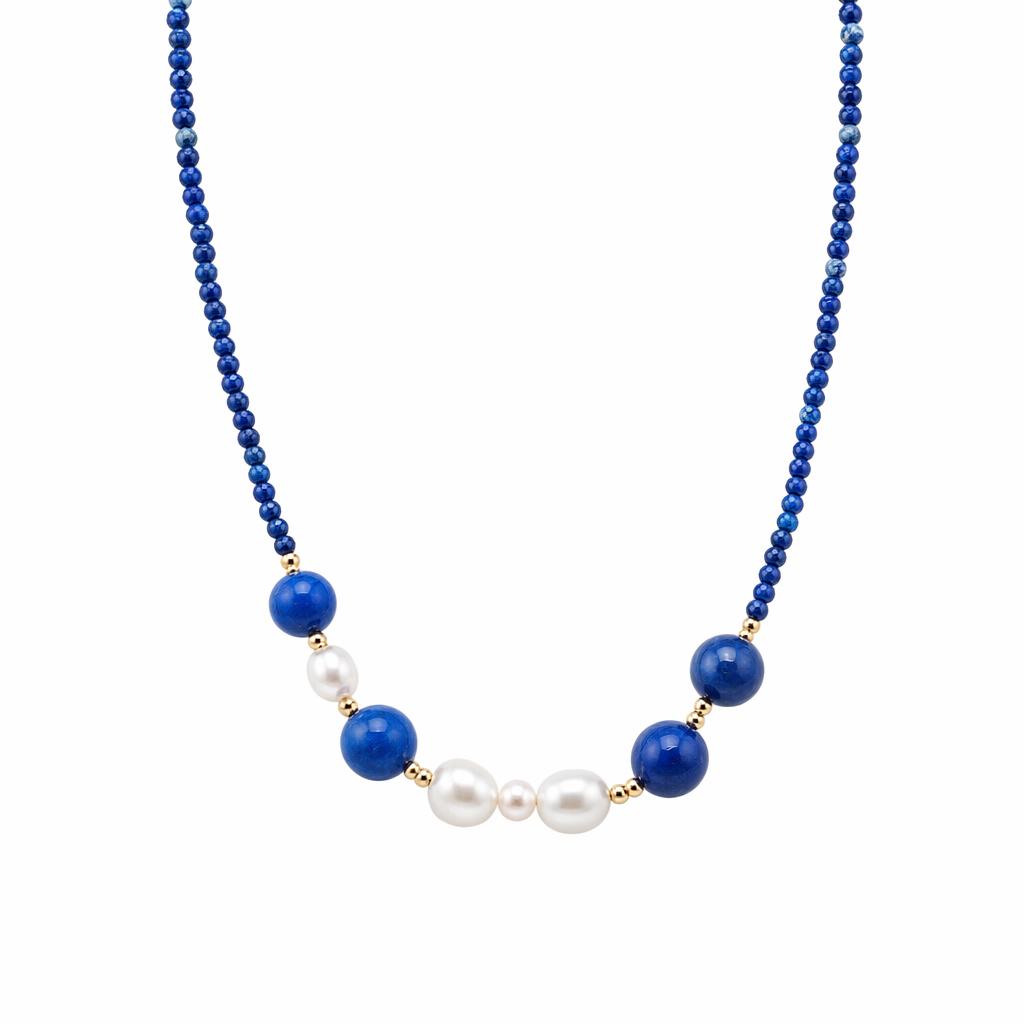
Fuduola Jewelry’s Pearl Necklace Choker—Fashion Versatile Women Chain Trendy Layering Jewelry Gift for Daughter/Mother—exemplifies the sustainable packaging opportunity in pearl jewelry: the necklace’s delicate construction requires protective packaging that doesn’t require excessive material—the jewelry’s own structure provides the visual presentation, reducing the need for elaborate box-within-box presentation systems that generate unnecessary packaging waste.
The B2B Sustainability Differentiation Opportunity
Sustainable packaging compliance creates B2B commercial differentiation:
- Retailer Sustainability Requirements: Major European retailers (Galeries Lafayette, El Corte Inglés, Harrods) are implementing mandatory sustainability criteria for supplier onboarding. Jewelry products with documented sustainable packaging gain preferential access to retailer shelf space that competitors without sustainability documentation cannot access.
- Consumer Willingness to Pay: Studies consistently show that 60-70% of European consumers express willingness to pay premium prices for jewelry with documented sustainable packaging—making sustainable packaging a value-adding feature rather than a pure cost center.
- Customs and Import Clearance: EU customs authorities increasingly request packaging material documentation at import. Products with pre-documented sustainable packaging materials clear customs faster than products requiring material verification at the border.
- Circular Economy Integration: Jewelry brands implementing take-back programs for packaging materials (offering consumers mail-back options for jewelry boxes and pouches) generate both regulatory compliance data and consumer engagement metrics that support marketing claims.
Conclusion: Sustainability Compliance Is a B2B Commercial Advantage
B2B fashion jewelry buyers who recognize that EPR packaging regulations create both compliance obligations and commercial differentiation opportunities—building sustainable packaging compliance into product assortments that access retailer sustainability-preferential shelf placement—generate competitive advantages that non-compliant competitors cannot rapidly replicate. The buyers who invest in packaging sustainability documentation now capture the market positioning premium that sustainability compliance commands before the compliance becomes universal.
Source sustainable-packaging-compliant pearl jewelry from Fuduola Jewelry with documented recycled content materials and FSC-certified paperboard at www.imfuduola.com.