
Blog
Fashion Jewelry Materials and Cost Analysis 2026: A Complete Guide to Material Quality, Pricing, and Profit Margins

Understanding fashion jewelry materials is the foundation of profitable wholesale buying. In 2026, with raw material costs fluctuating and consumer quality expectations rising, B2B buyers who master the material-cost-quality equation make significantly better purchasing decisions. This guide provides a comprehensive breakdown of fashion jewelry materials, their cost drivers, and how to leverage material knowledge for competitive advantage.
The Fashion Jewelry Material Hierarchy
Fashion jewelry materials range from commodity base metals to precious and semi-precious components. Each tier serves a distinct market positioning and price point. Understanding where a product falls in this hierarchy is essential for setting appropriate retail pricing and managing customer expectations.
Precious Metal Tier
- S925 Sterling Silver — The premium standard for fashion jewelry. Composed of 92.5% silver and 7.5% other metals for durability. S925 pieces command 3-5x the price of base metal alternatives. Current spot silver pricing makes this tier accessible for wholesale buyers at scale. Look for S925 posts on earrings and clasps as a quality signal.
- 18K/14K Gold Vermeil — Sterling silver base with 2.5-micron minimum gold plating. Vermeil pieces carry a luxury positioning without solid gold price points. Popular for bridal, gift, and premium fashion segments.
- 14K/18K Solid Gold — Reserved for fine jewelry; less common in fashion jewelry wholesale but relevant for high-end buyers.
Semi-Precious Stone and Pearl Tier
- Freshwater Pearls — The most versatile semi-precious component in fashion jewelry. Prices range from commodity cultured pearls to premium baroque and Keshi varieties. Baroque pearls — with their irregular, organic shapes — have surged in popularity in 2026, driven by Y2K and artisan aesthetics.
- Cubic Zirconia (CZ) — The diamond simulant standard. Quality varies dramatically; premium CZ with high refractive index rivals the visual impact of diamonds at a fraction of cost. Used extensively in fashion bridal and special occasion jewelry.
- Semi-Precious Stones — Tiger eye, turquoise, amethyst, rose quartz, and jade appear across price tiers. Stone quality depends on color consistency, clarity, and treatment disclosure.
Base Metal Tier
- Brass — The workhorse of fashion jewelry. Brass provides weight, durability, and accepts plating well. High-quality brass with thick plating (2+ microns) offers excellent durability at accessible price points.
- Stainless Steel — Hypoallergenic, tarnish-resistant, and increasingly popular for everyday jewelry. Surgical-grade stainless steel (316L) is particularly valued for earrings and body jewelry.
- Zinc Alloy — The lowest-cost option for fashion jewelry. Common in promotional and budget-oriented product lines. Quality varies significantly based on alloy composition and plating thickness.
Plating Quality: The Hidden Cost Variable
For base metal and brass jewelry, plating quality is the primary determinant of product longevity and customer satisfaction. Key plating specifications to evaluate:
- Gold Plating Thickness — Measured in microns. Fashion jewelry typically ranges from 0.5 to 3 microns. Pieces with less than 1 micron will show significant wear within weeks. 2+ microns provides acceptable durability for regular wear.
- Rhodium Plating — Provides superior tarnish resistance and a bright white finish. Common on silver-tone fashion jewelry. Higher cost but dramatically improves product lifespan.
- Oxidized and Antiqued Finishes — Intentional darkening applied to create depth and vintage aesthetics. Quality of application determines whether the finish fades evenly or patches.
Material Cost Analysis by Product Category
Pearl Necklace Sets — Material cost is dominated by the pearl component. Freshwater pearls range from $0.50 to $5.00 per pearl depending on size, luster, and shape regularity. A 5-piece layering set with baroque pearls typically carries $8-15 in material costs at the component level, supporting wholesale pricing of $25-50 per set.
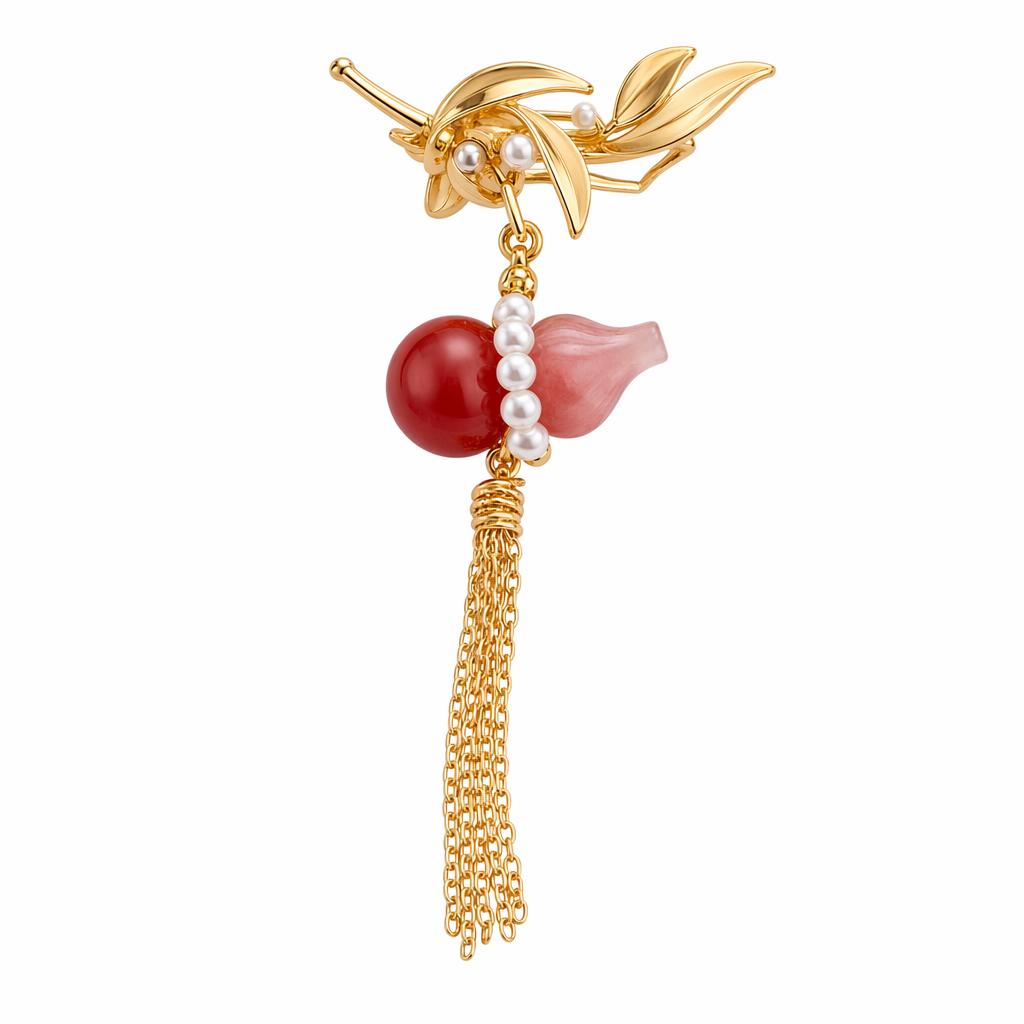
Baroque Pearl Brooches — The irregular pearl shape actually reduces material cost compared to perfectly round pearls while commanding premium retail positioning. Combined with brass or alloy base, these pieces offer strong margin potential with material costs of $5-12 per unit and retail positioning of $35-80.
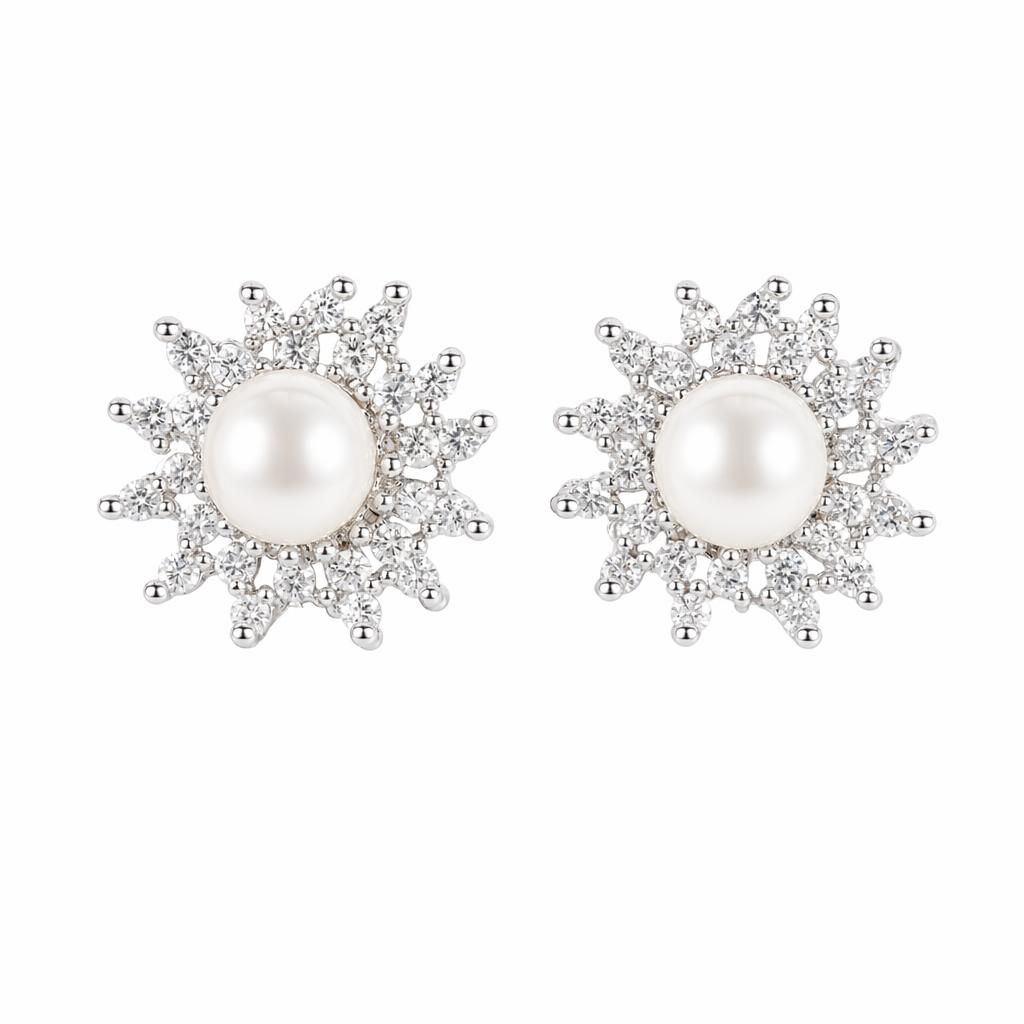
Minimalist Stud Earrings — S925 sterling silver posts with crystal or small pearl accents represent excellent value engineering. Material costs of $2-5 per pair support premium retail positioning of $25-45 in the minimalist jewelry segment.
How to Use Material Knowledge in Wholesale Negotiations
Buyers who understand material costs hold significantly more leverage in pricing negotiations. When evaluating a wholesale quote:
- Identify the material tier and plating specifications from product descriptions or samples
- Research current commodity pricing for dominant materials (silver, brass, pearls)
- Estimate component costs and compare against the quoted wholesale price
- Challenge pricing on commodity materials while accepting premium pricing for differentiated designs
Quality Verification and Documentation
Leading suppliers provide material documentation including metal assay certificates, pearl grading reports, and plating thickness test results. For markets with regulatory requirements — including the US (CA Prop 65), EU (REACH), and UK — ensure your supplier can provide third-party testing reports for lead, cadmium, nickel, and phthalates.
Conclusion
Material knowledge is the foundation of intelligent wholesale buying. By understanding the material hierarchy, plating quality factors, and cost structures, you can evaluate whether a wholesale price accurately reflects product quality, negotiate from a position of knowledge, and position your inventory for healthy margins and satisfied customers.
Fuduola Jewelry provides detailed material specifications, third-party testing documentation, and transparent component breakdowns for all products. Explore our catalog to see the material quality that supports global B2B partnerships.