
Blog
Cross-Border E-commerce Jewelry Selection Strategy 2026: Data-Driven Product Curation for Global Market Success

The cross-border e-commerce jewelry market in 2026 is defined by one reality: the gap between successful sellers and struggling ones is almost entirely determined by product selection strategy. With competition intensifying on every major platform — Amazon, Etsy, SHEIN, Temu, and emerging social commerce channels — wholesale buyers who approach product selection with a data-driven, trend-forward methodology are capturing disproportionate market share.
Why Product Selection Is the #1 Lever for Cross-Border Jewelry Sellers
In fashion jewelry, product selection accounts for roughly 60-70% of commercial success. Pricing, advertising, and fulfillment are important, but they amplify what the product selection sets in motion. A winning product in the right category with the right positioning can generate viral momentum on social platforms, earn organic rankings, and drive repeat purchases. A mediocre product aggressively promoted will simply burn through margin.
The most successful cross-border jewelry buyers in 2026 share a common discipline: they treat product selection as a continuous intelligence-gathering process, not a periodic buying decision.
The Four Pillars of Cross-Border Jewelry Selection
Pillar 1: Platform-Market Fit Analysis
Different platforms attract different buyer personas and serve different purchase occasions. Before selecting products, map your target platform’s demographic profile, average order value, and competitive density in the jewelry category.
- Amazon Jewelry — Dominated by search-driven buyers; favor classic, versatile pieces with strong keyword alignment; competitive with FBA logistics requirements
- Etsy — Artisan and personalized jewelry commands premium pricing; favor unique designs, customization options, and storytelling-rich listings
- SHEIN/Temu — Trend-sensitive, price-conscious buyers; favor high-visual-appeal pieces at accessible price points; volume-driven model
- Instagram/TikTok Commerce — Social-media-amplifiable pieces with strong visual storytelling; favor Y2K aesthetics, personalized charms, and giftable designs
Pillar 2: Trend Signal Integration
Incorporate multiple data streams into your product selection process:
- Social media trend monitoring — Track which jewelry styles, aesthetics, and influencers are driving engagement on TikTok and Instagram Reels
- Search query analysis — Use Google Trends, Amazon search volume data, and platform autocomplete to identify rising search terms in the jewelry category
- Competitor reverse engineering — Analyze top sellers’ product catalogs, reviews, and pricing to identify proven demand patterns
- Trade show and runway signals — Major fashion weeks reveal macro trends that typically filter into mass market jewelry in 6-12 months
Pillar 3: Margin and Logistics Optimization
Even the most trend-perfect jewelry selection fails if the economics don’t work. Evaluate each potential product against:
- Landed cost (wholesale price + shipping + duties + platform fees)
- Competitive price ceiling in your target market
- Shipping weight and dimensional considerations for your fulfillment model
- Return rate history for the product category (jewelry returns tend to be higher than average)
Pillar 4: Supplier Capability Alignment
Your product selection strategy should be shaped by your supplier’s strengths. If your supplier excels at pearl jewelry with 130+ in-house designers, lean into that category rather than forcing a commodity metal jewelry strategy. The most defensible product selections are those that align your supplier’s design and manufacturing capabilities with genuine market demand.
Category-Specific Selection Recommendations for 2026
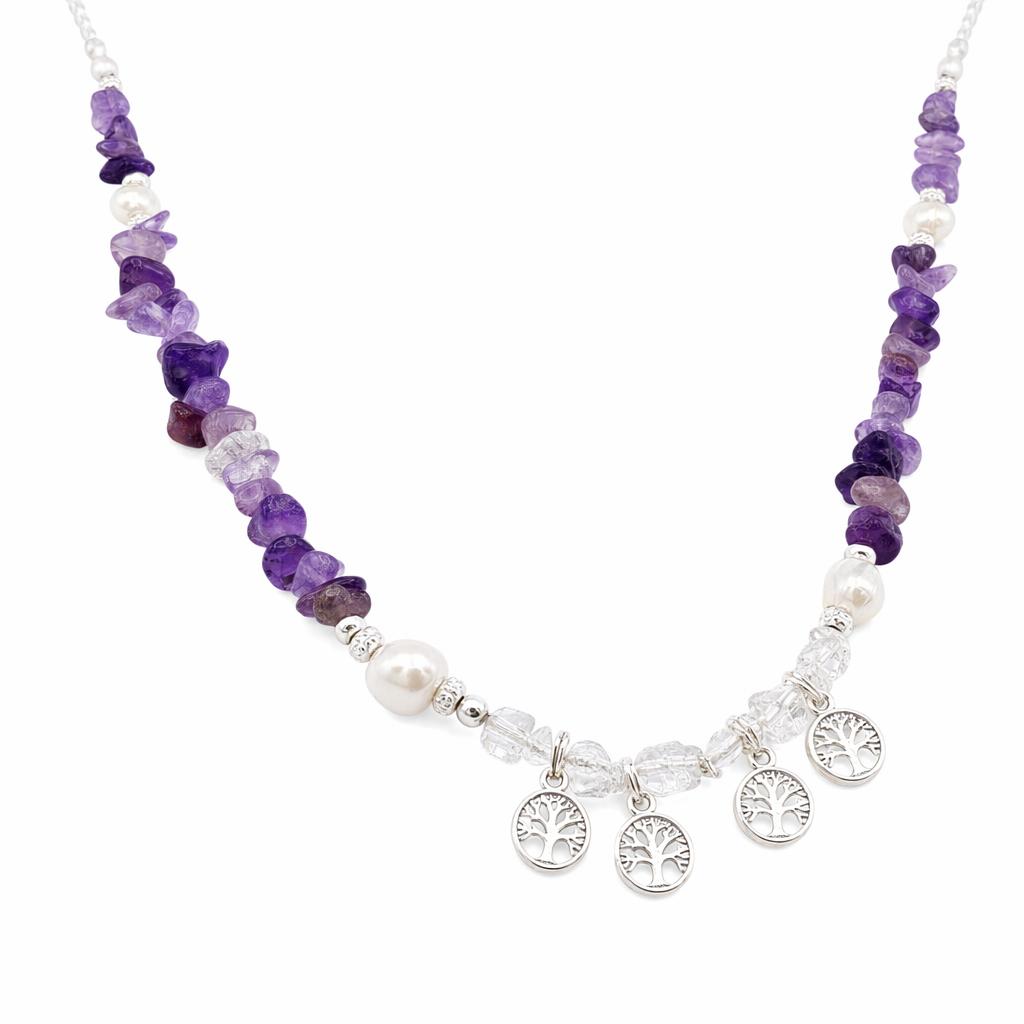
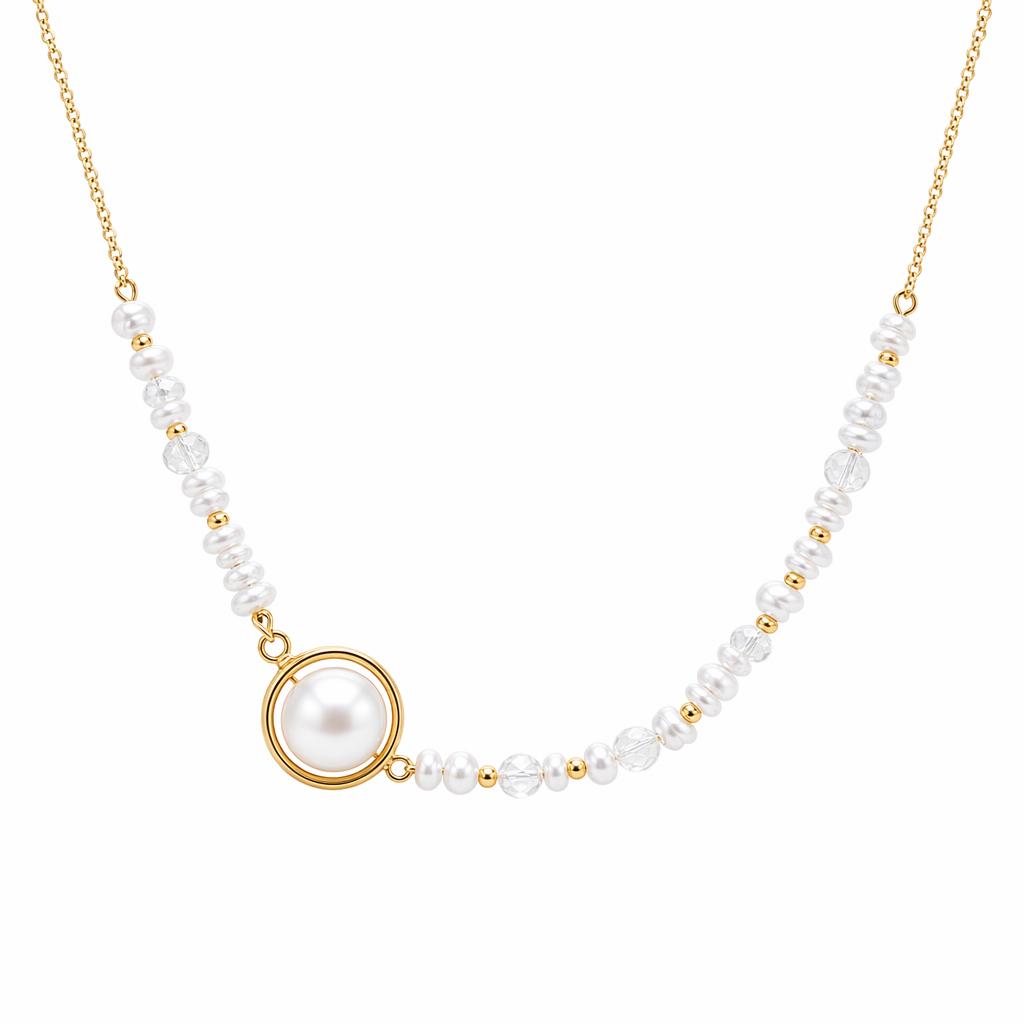
Necklaces and Chokers: Y2K layered necklace sets continue to outperform single statement pieces. Buyers are building capsule collections with 3-5 piece sets that offer outfit-level transformation. Clavicle chains and minimalist pendant necklaces are strong performers for everyday wear occasions.
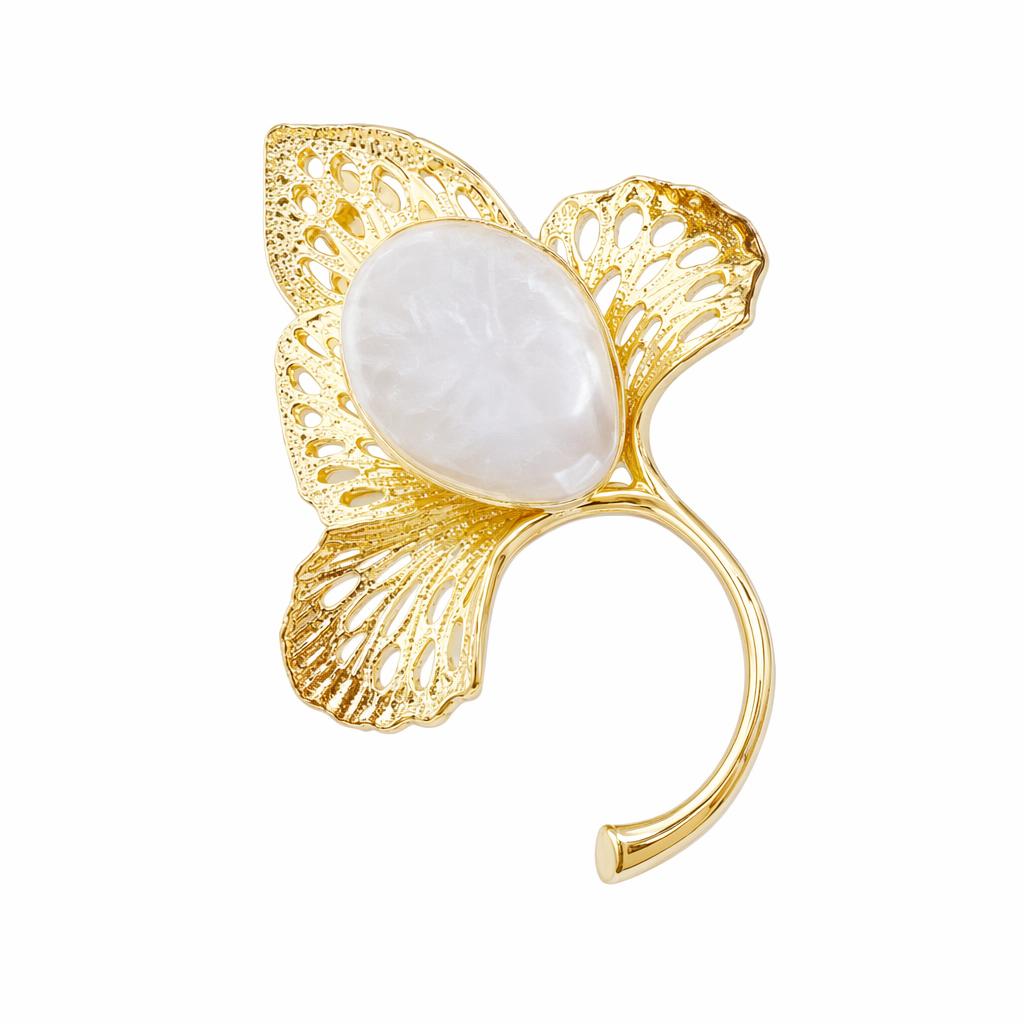
Brooches and Pins: The baroque pearl brooch renaissance has created a unique wholesale opportunity. These pieces bridge fashion and function, serving as waist clips, coat decorations, and gift items simultaneously. Their versatility drives lower return rates than purely decorative jewelry.
Earrings: Minimalist stud earrings with pearl or crystal accents are evergreen. S925 sterling silver posts with minimalist geometric designs perform well across platforms and demographics.
Building Your 2026 Jewelry Selection Framework
The most effective approach combines a core catalog of evergreen, proven performers with a trend-forward selection that captures emerging demand. A typical healthy cross-border jewelry assortment might look like:
- 60% core inventory — proven performers with stable demand (pearl stud earrings, classic pendant necklaces, chain bracelets)
- 25% trend-responsive selections — pieces aligned with current fashion trends (Y2K chokers, personalized charms, baroque pearl pieces)
- 15% experimental selections — new designs and emerging aesthetics to test market response
This approach provides stability while maintaining relevance and discovering new growth opportunities. Review your assortment mix quarterly and rebalance based on sell-through data.
Explore Fuduola Jewelry’s catalog featuring 130+ in-house designers, 30M+ spot inventory, and trend-responsive collections updated continuously to support your cross-border e-commerce strategy.